How to Spot Common Signs of Roof Damage Early On

How to Spot Common Signs of Roof Damage Early On

Your roof is one of the most important components of your home. It protects you and your belongings from the elements and adds to the overall aesthetic appeal of your home. However, over time, your roof can become damaged due to various factors such as weather, age, or lack of maintenance. It’s important to spot these signs of damage early on to prevent further damage and costly repairs. Here are some common signs of roof damage to look out for.

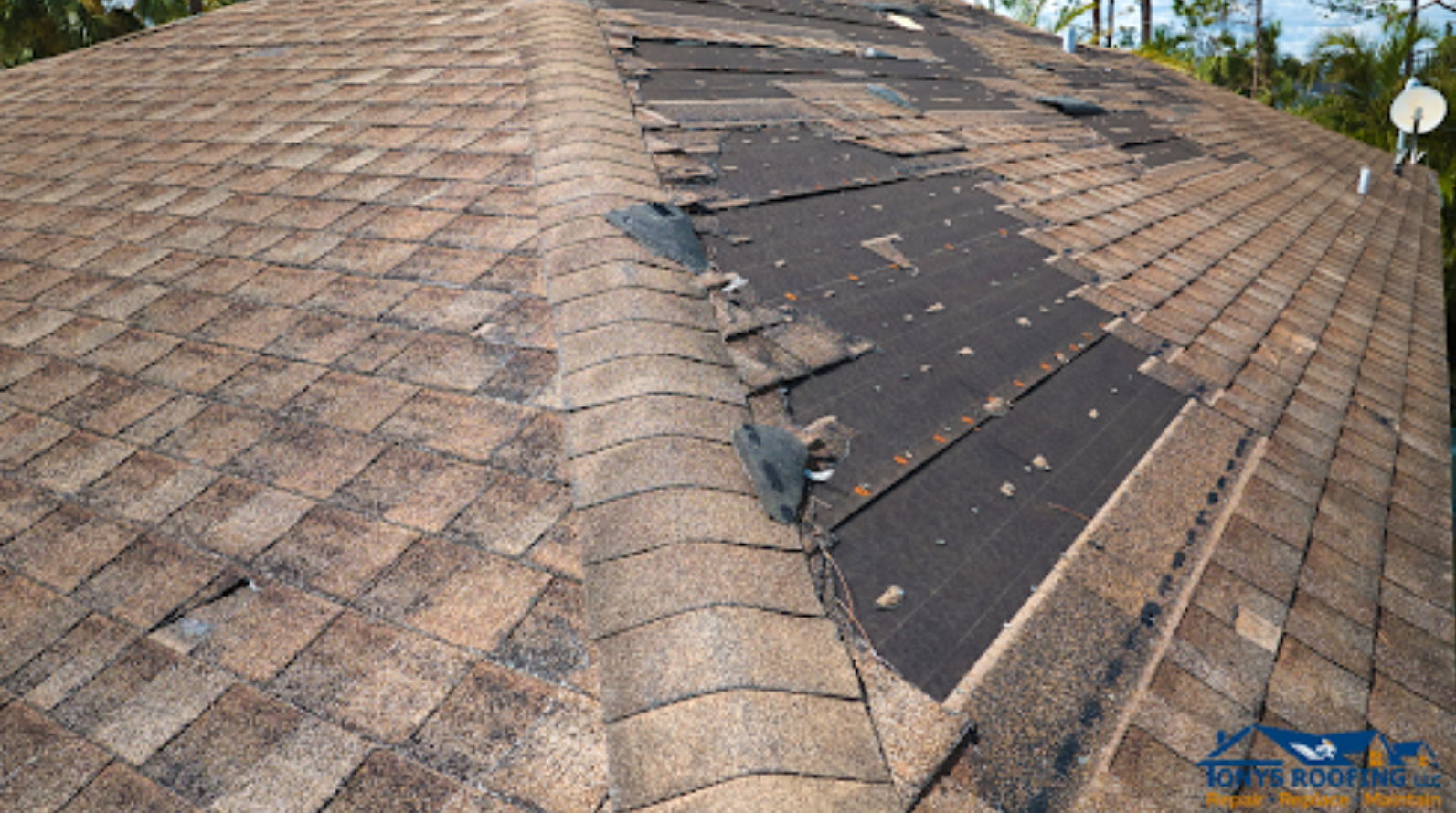
      1. Missing or Damaged Shingles

One of the most common signs of roof damage is missing or damaged shingles. Shingles protect your roof from the elements and provide insulation for your home. Over time, shingles can become damaged due to weather or wear and tear. If you notice missing or damaged shingles on your roof, it’s important to address the issue promptly to prevent further damage.

      2. Water Damage

Water damage is a serious issue that can cause major problems for your home if left untreated. Signs of water damage include stains on your ceiling or walls, mold growth, or a musty odor in your home. Water damage can occur due to various factors such as a leaky roof, clogged gutters, or damaged flashing. If you notice any signs of water damage, it’s important to address the issue promptly to prevent further damage to your home.

       3. Sagging Roof

A sagging roof is a sign of a serious issue that requires immediate attention. A sagging roof can occur due to various factors such as age, water damage, or improper installation. If you notice your roof is sagging, it’s important to hire a professional roofing contractor to assess the issue and make any necessary repairs.

       4. Damaged Flashing

Damaged Flashing

Flashing is the material that is used to seal the edges of your roof, such as around chimneys and skylights. Damaged flashing can cause water to leak into your home and cause damage to your roof and interior. Signs of damaged flashing include cracks or holes in the material or rust spots. If you notice any signs of damaged flashing, it’s important to address the issue promptly to prevent further damage to your home.

      5. Granule Loss

Granules are small pieces of gravel-like material that cover the surface of your shingles. These granules protect your roof from the elements and provide insulation for your home. Over time, granules can become loose or fall off due to weather or wear and tear. If you notice granules in your gutters or on the ground around your home, it’s important to address the issue promptly to prevent further damage to your roof.

       6. Algae or Moss Growth
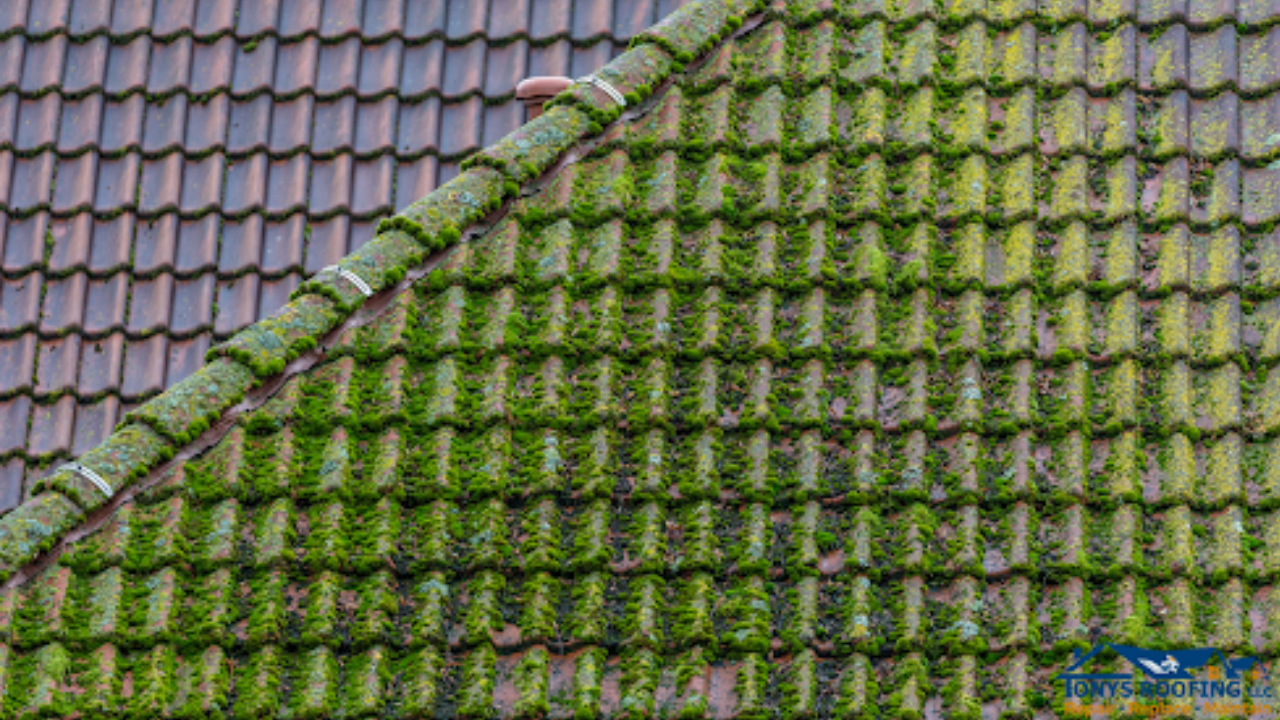
Algae or Moss Growth

Algae or moss growth on your roof can cause damage to your shingles and weaken your roof. These growths occur due to excess moisture on your roof and can also cause discoloration and an unsightly appearance. If you notice algae or moss growth on your roof, it’s important to address the issue promptly to prevent further damage.

      7. Increased Energy Bills

If your energy bills have increased without any apparent reason, it could be a sign of a damaged roof. A damaged roof can cause air leaks in your home, causing your HVAC system to work harder and use more energy. If you notice an increase in your energy bills, it’s important to have your roof inspected by a professional roofing contractor.

      8. Age of Your Roof

The age of your roof is also a factor in determining if it needs to be repaired or replaced. Most roofs last between 15-30 years, depending on the type of material and maintenance. If your roof is approaching its maximum lifespan, it’s important to have it inspected by a professional roofing contractor to determine if it needs to be replaced.

In conclusion, spotting signs of roof damage early on is crucial in preventing further damage and costly repairs. If you notice any of these common signs of roof damage, it’s important to address the issue promptly to prevent further damage to your home.

The Top Do's and Don'ts of DIY Roof Repair

The Top Do’s and Don’ts of DIY Roof Repair

Roof repair is a task that many homeowners attempt to tackle in order to save money. While DIY roof repair can be a cost-effective solution, it can also be dangerous and result in further damage if not done correctly. To ensure a successful and safe DIY roof repair, here are the top do’s and don’ts to keep in mind.

Do: Assess the Damage

Before you begin any DIY roof repair, it is important to assess the damage to determine the best course of action. Look for signs of damage such as missing or cracked shingles, leaks, or damage to the flashing. It is also important to assess the overall condition of your roof, including its age, type of material, and past repairs. This information can help you determine if the damage can be repaired or if a full roof replacement is necessary.

Don’t: Work Alone

Roof repair can be a dangerous task, and working alone can increase the risk of injury. It is important to have someone else with you to hold the ladder steady and provide assistance as needed. If possible, hire a professional roofing contractor to handle the repairs. They have the necessary equipment, experience, and safety protocols to ensure a successful and safe repair.

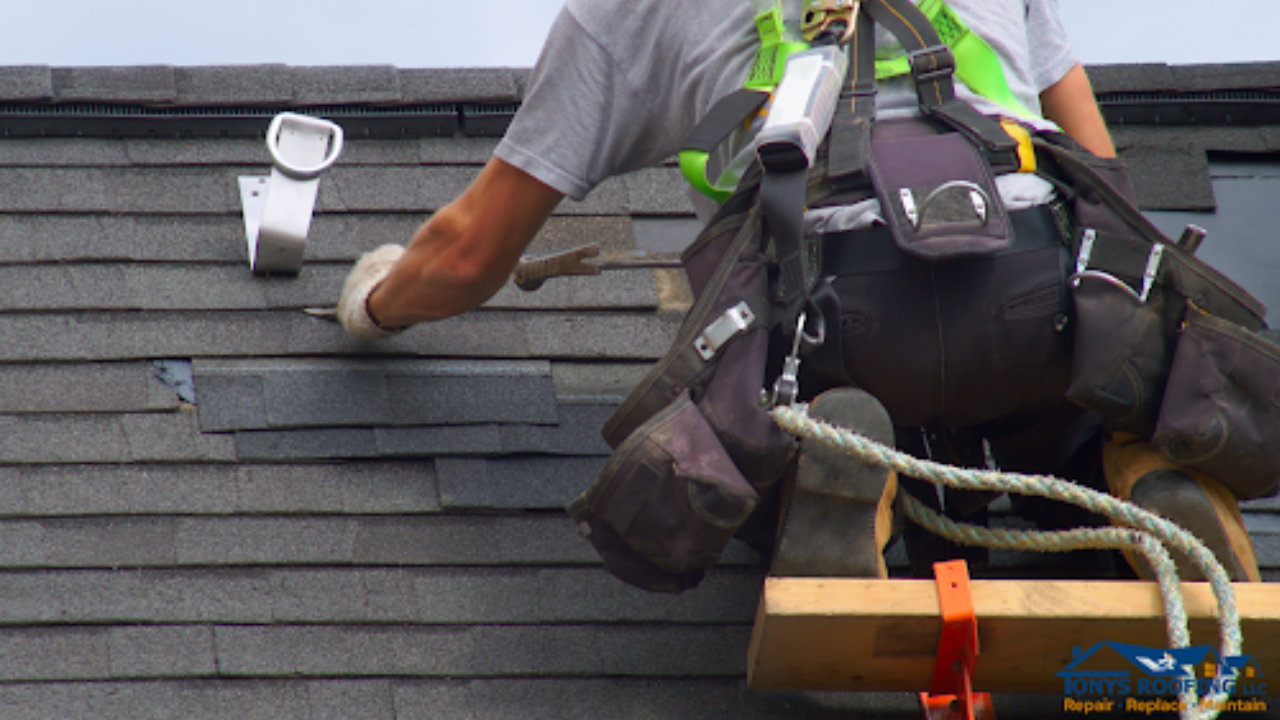
Do: Use Proper Safety Equipment

Do: Use Proper Safety Equipment

Working on a roof requires proper safety equipment to prevent falls and other accidents. This includes a safety harness, safety glasses, gloves, and slip-resistant shoes. It is also important to use a sturdy ladder and ensure it is placed on level ground. Never work on a wet or icy roof, as this increases the risk of slipping and falling.

Don’t: Use Improper Tools

Using the wrong tools can result in further damage to your roof or injury to yourself. Make sure you have the proper tools for the job, such as a hammer, nails, roofing cement, and a utility knife. Avoid using power tools, as they can damage the roofing material and make the repair more difficult.

Do: Repair Small Issues Promptly

Small issues such as missing or cracked shingles can be repaired quickly and easily if addressed promptly. Ignoring these issues can result in more extensive damage and more costly repairs in the future. If you notice a small issue, address it promptly to prevent further damage.

Don’t: Attempt Major Repairs

Major roof repairs, such as extensive damage to the flashing or a large leak, should be left to professionals. Attempting these repairs yourself can result in further damage to your roof or injury to yourself. Hire a professional roofing contractor to handle major repairs to ensure a successful and safe repair.

Do: Clean Your Gutters

Do: Clean Your Gutters

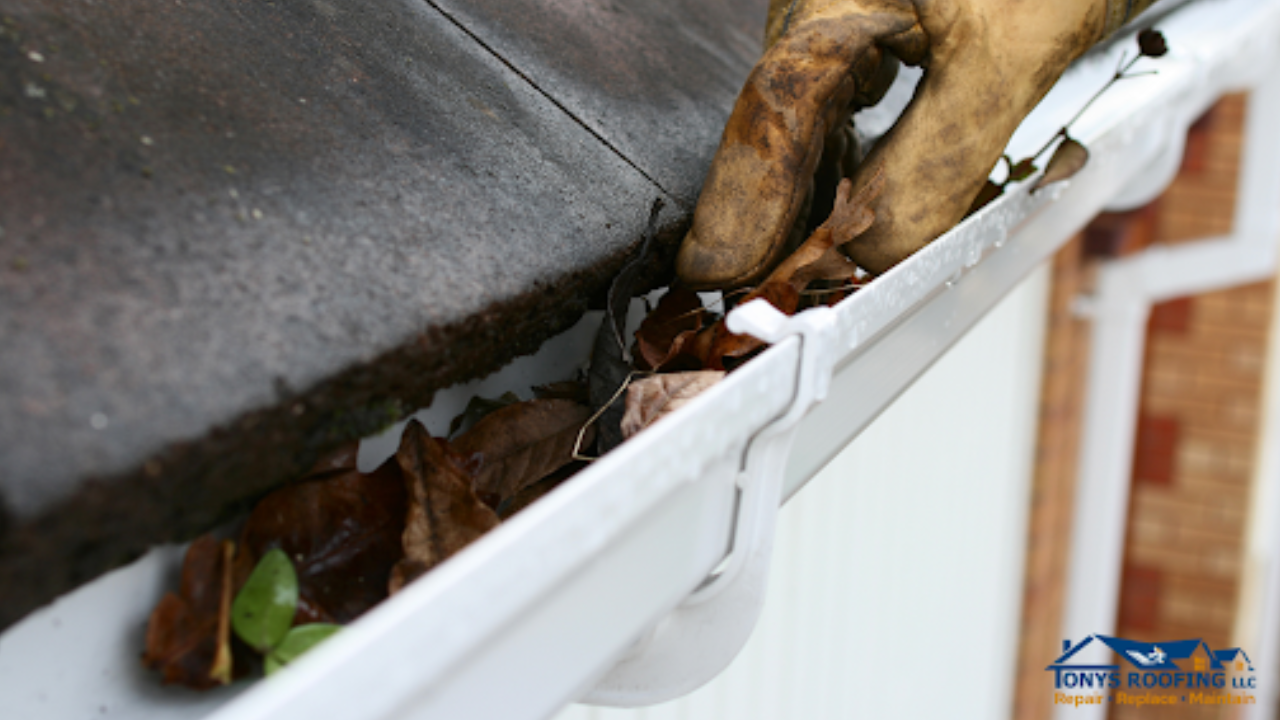
Keeping your gutters clean can prevent water damage to your roof and extend its lifespan. Clogged gutters can cause water to back up and damage your roof, so it is important to clean your gutters regularly to ensure they are functioning properly.

Don’t: Ignore Signs of Damage

Ignoring signs of damage such as leaks or missing shingles can result in more extensive damage and costly repairs. If you notice any signs of damage, address them promptly to prevent further damage and ensure your roof is in good condition.

Do: Research Proper Techniques

Before attempting any DIY roof repair, it is important to research the proper techniques and materials to use. This can help ensure a successful repair and prevent further damage. Look for resources such as online tutorials or consult with a professional roofing contractor for advice.

Don’t: Skimp on Materials

Using low-quality materials can result in a failed repair and more costly repairs in the future. It is important to use high-quality materials that are designed for your specific type of roofing material. Skimping on materials can result in poor repair that does not last.

Do: Address Issues from the Inside

In some cases, issues with your roof can be addressed from the inside of your home. This includes checking your attic for signs of water damage, such as wet insulation or mold growth. Addressing these issues promptly can prevent further damage to your roof and extend its lifespan.

Don’t: Attempt Repairs in Extreme Weather

Attempting roof repairs in extreme weather conditions, such as high winds or heavy rain, can be dangerous and result in further damage. Wait for weather conditions to improve before attempting any DIY roof repairs.

Do: Regularly Inspect Your Roof

Regularly inspecting your roof can help you identify small issues before they become major problems. Schedule an inspection at least once a year and after any major storms or extreme weather events. This can help you address issues promptly and prevent further damage.

Don’t: Assume You Can Handle Any Repair

Roof repair can be a complex and dangerous task, and not all repairs can be handled by the average homeowner. If you are unsure of your ability to handle a repair, or if the repair is too complex or dangerous, hire a professional roofing contractor to handle the repair.

In conclusion, DIY roof repair can be a cost-effective solution for small repairs, but it is important to follow the top do’s and don’ts to ensure a successful and safe repair. Assess the damage, use proper safety equipment, and research proper techniques and materials before attempting any repairs. Address small issues promptly, regularly inspect your roof, and don’t hesitate to hire a professional for major repairs or if you are unsure of your ability to handle a repair. By following these tips, you can extend the lifespan of your roof and prevent further damage.

The Lifespan of Your Roof: When to Repair and When to Replace

The Lifespan of Your Roof: When to Repair and When to Replace

Your roof is one of the most important components of your home. It provides protection from the elements and helps to maintain the structural integrity of your house. However, just like any other component of your home, your roof has a limited lifespan. Over time, it can develop problems and may require repair or replacement. In this article, we will discuss the lifespan of your roof, signs that indicate it needs repair or replacement, and what you should do if you suspect there are issues with your roof.

How long should a roof last?

The lifespan of your roof depends on several factors, including the type of material it is made of, the quality of installation, and the level of maintenance it receives. On average, a roof made of asphalt shingles can last between 15 to 30 years, while a metal roof can last up to 50 years. Slate, tile, and cedar shake roofs can last up to 100 years, but they require more maintenance and are typically more expensive to install.

Signs that your roof needs repair or replacement

There are several signs that indicate your roof may need repair or replacement. These include:

  1. Leaks: If you notice water stains on your ceiling or walls, it is a sign that your roof is leaking. Leaks can cause significant damage to your home if not addressed promptly.
  2. Missing or damaged shingles: Missing or damaged shingles can allow water to seep into your home and cause leaks. They can also be a sign that your roof is nearing the end of its lifespan.
  3. Curling or buckling shingles: Curling or buckling shingles are a sign that your roof is aging and may need to be replaced soon.
  4. Granules in gutters: If you notice granules in your gutters, it is a sign that your shingles are losing their protective coating and may need to be replaced.
  5. Cracked or damaged flashing: Flashing is the metal or plastic material that seals the joints and edges of your roof. If it is cracked or damaged, it can allow water to seep into your home.

What should you do if you suspect your roof needs repair or replacement?

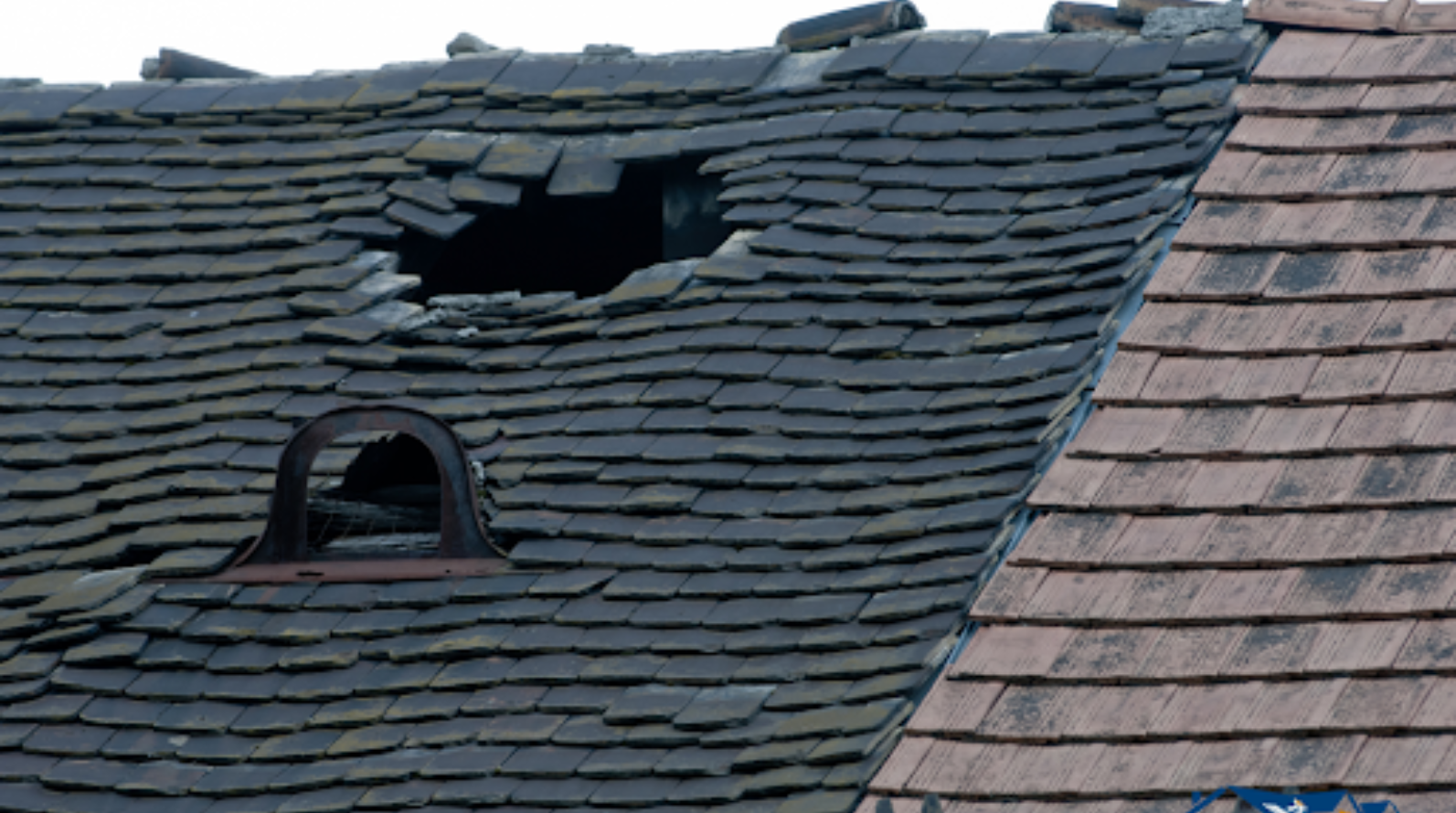
Holes in a damaged roof

If you suspect there are issues with your roof, it is important to take action promptly. Delaying repairs or replacement can lead to further damage and may be more expensive in the long run. Here are the steps you should take if you suspect your roof needs repair or replacement:

  1. Inspect your roof: Take a look at your roof from the ground and see if you can spot any missing or damaged shingles, curling or buckling shingles, or other signs of wear and tear.
  2. Hire a professional: If you are not comfortable inspecting your roof yourself, hire a professional roofing contractor to do it for you. They can give you a more detailed assessment of the condition of your roof and recommend repairs or replacements if necessary.
  3. Get estimates: If repairs or replacement is needed, get estimates from at least three different roofing contractors. Compare the estimates and choose the one that best fits your budget and needs.
  4. Schedule repairs or replacement: Once you have chosen a contractor, schedule repairs or replacement as soon as possible. Delaying the work can lead to further damage and may be more expensive in the long run.

Repair vs. Replacement: Which is the best option?

Whether to repair or replace your roof depends on several factors, including the age and condition of your roof, the type of material it is made of, and your budget. Here are some things to consider when deciding whether to repair or replace your roof:

  1. Age: If your roof is nearing the end of its expected lifespan, it may be more cost-effective to replace it rather than continue to make repairs.
  2. Condition: If your roof is in good condition overall but has a few minor issues, such as a few missing shingles, it may be more cost-effective to repair those issues rather than replace the entire roof.
  1. Type of material: Some types of roofing materials, such as slate or tile, may be more expensive to repair or replace than others, such as asphalt shingles. Consider the cost of repairs or replacement for your specific type of roofing material.
  2. Budget: The cost of repairs or replacement can vary significantly, so it is important to consider your budget when making the decision. If you cannot afford a full replacement, repairs may be a better option in the short term.
  3. Future plans: If you plan to sell your home in the near future, a full roof replacement may increase the value of your home and make it more attractive to potential buyers.

In general, if your roof is more than 20 years old and has significant issues, such as leaks or extensive damage, it may be more cost-effective to replace the entire roof rather than make repairs. However, if your roof is in good overall condition and only has minor issues, such as a few missing shingles, repairs may be a more affordable and effective option.

How to extend the lifespan of your roof

While the lifespan of your roof is ultimately determined by its material, installation, and maintenance, there are a few things you can do to extend its lifespan and avoid costly repairs or replacement:

  1. Regular maintenance: Schedule regular maintenance with a professional roofing contractor to inspect and clean your roof. This can help identify and address issues before they become major problems.
  2. Keep gutters clean: Clogged gutters can cause water to back up and damage your roof. Clean your gutters regularly to ensure they are functioning properly.
  3. Trim trees: Trees that hang over your roof can cause damage and shorten the lifespan of your roof. Trim any branches that hang over your roof to prevent damage.
  4. Insulate your attic: Proper attic insulation can help regulate the temperature in your home and reduce the strain on your roof.
  5. Ventilate your attic: Proper attic ventilation can help regulate the temperature and moisture levels in your attic, which can reduce the risk of damage to your roof.

Conclusion

Your roof is an important component of your home and requires regular maintenance to ensure its longevity. Knowing the signs that indicate your roof needs repair or replacement and taking prompt action can prevent further damage and save you money in the long run. Whether to repair or replace your roof depends on several factors, including the age and condition of your roof, the type of material it is made of, and your budget. By taking steps to extend the lifespan of your roof and addressing issues promptly, you can ensure your home is protected for years to come.

15 Questions to Ask a Roofer Before Hiring Them

If you have decided to replace your roof, you likely already know that it is going to be a big investment. Because of this, you will want to make sure that it is done properly and will last for many years to come. One way to ensure that your new roof is done properly is to ask your chosen roofing contractors a variety of select questions. While there are many questions you may choose to ask, asking the following 15 questions can help you find the right roofers for your project.

  1. Do You Provide Onsite Estimates? – It is very important that the contractor you choose is willing to provide you with an onsite estimate. This is because such things as the condition, exact size, and shape of your roof need to be considered to provide an accurate estimate.
  2. How Long Has Your Company Been in Business? – When you hire a roofing company that has been in business for a long time, you can be assured that the company is stable and has obtained a good deal of experience.
  3. Is Your Company Insured? – It is essential that roofing companies carry workers compensation for their employees and liability insurance in case something goes wrong. Insurance can provide coverage for both you and the company’s employees in case of accidents, injuries, or damage.
  4. Does Your Company Follow OSHA Safety Regulations? – OSHA safety regulations were put in place in 1970 to protect workers by ensuring a safe and healthy workplace. Make sure that the company is not only aware of OSHA’s regulations but that they follow them as well.
  5. Is Your Company Licensed? – In addition to insurance, roofing contractors should also be licensed in the state where they are working. Some areas may require a permit before installing a roof as well. In this case, the company should handle this for you.
  6. Are You a Member of the Better Business Bureau? – Even if the company’s answer to this question is no, you can check the BBB to see what types of complaints (or compliments) have been filed against the company. You can also find out how they are rated overall.
  7. Will You Provide a Written Contract? – Oral contracts may be gaining popularity, but they will not protect you in case something goes wrong. Make sure that the company will provide you with a written contract that is clear and easy to understand.
  8. Will You Provide a Warranty on the Roof? – Manufacturers typically provide warranties on roofing materials, but you also want to make sure that the roofers provide some type of warranty on their work. Find out what type of warranty they offer and how long it is good for.
  9. Will You Remove Old Roofing Materials After Installing the New Roof? – Be sure to ask the contractors if they will clean up the work site after installing the new roof. You will also want to ask them if there will be an additional fee for the clean up and removal of old roofing materials.
  10. Can You Provide Any References? – Another question you should ask before hiring a roofing company is if they are able to provide you with any references from past customers. If the company has been around for a while and is known for quality work, they will have no problem with this request.
  11. What Type of Materials Will You Be Using? – Even if you are not familiar with all of the different types of roofing materials used today, reputable roofing contractors will be more than happy to take the time to explain it to you and help you choose the most suitable materials for your home.
  12. How Long Will the Installation Take? – Many customers are concerned with how long it will take to install their new roof. An experienced roofer should be able to give you an estimate as to how long it will take considering the size of your home. However, you need to be aware that inclement weather can extend this time estimate.
  13. What Can I do if I am not Happy with the Results? – Of course, you will want to be happy with your new roof. Because of this, it is important for you to find out precisely how the company handles customers that are not happy with some aspect of the work that was done.
  14. Will I be Able to Contact You After Hours? – In the case that something goes wrong after hours (such as a leak), you may need to contact the roofing company after hours. Be sure to get a good contact number that you can use for emergency purposes and find out if they will be willing to come to your home and correct your problem.
  15. Will My New Roof Require Yearly Maintenance? – Find out if your new roof will require yearly maintenance and whether or not the contractor will provide the service. Additionally, make sure you find out if the roofers will charge you for such an inspection or if they will only charge you for any necessary materials (for repairs).

If you need to replace your roof, you will want to make sure that you hire a reputable Portland roofing contractor. The best way to make sure the company you choose is perfect for the job is to ask them a variety of questions such as those listed above. These questions can help to ensure that the roofing company you are considering is experienced and will provide you with a quality roof that will last for many years in the future.

How Long Does a Roof in Portland, Oregon Last?

Generally, how long a roof will last strictly depends on the type of roof material. Many roof types have long durability in Portland, Oregon, but you must ensure that you maintain them properly if you want them to last for an extended period. In this piece, we have outlined the lifespans of different roofing materials in Portland, Oregon.

How Long do Asphalt Shingles Last?

Primarily, asphalt shingles are the most common type of roofing material used today. These roofing shingles have durability of about 15 to 30 years, provided that you take good care of them through proper maintenance. Ideally, many people like these roofs because they come at reasonable prices, and they have a fair lifespan. Asphalt shingles are made of several materials, including cement fibers and organic materials, making the roof more durable as it becomes resistant to UV rays.

Architectural Shingles

This type of roofing shingles has a durability period of between 25-30 years. They look like asphalt shingles, but they are more sophisticated. Ideally, asphalt shingles are the standard shingles, and the architectural shingles are the premium version of asphalt shingles. They are more beautiful, and they give your home a luxurious touch.

Typical age of Wood Shingle Roof

If a wood shingle roof is well taken care of in Portland, it can last up to 30 years. While it can last for such a long time, you must ensure that you do the roof’s annual maintenance. Otherwise, it may not last for a very long time. Wood shingles are mostly made of cedar wood because they are resistant to rot and insects, which significantly boosts durability. Wood shingles create a unique touch on your home, mainly because they are natural and uncommon.

Life of Clay Tile Roof

Clay tile roof is a popular roofing material used in most parts of Portland, Oregon, and it is because of how durable they are. Impressively, a clay tile roof has a durability period of up to 50 years, and a manufacturer can give you a warranty period of up to 30 years. Many people mostly use this type of roof because it also has a low maintenance cost.

How long does a Metal Roof Last

A metal roof can last up to 70 years because it is resistant to many factors that spoil the roof. For starters, it cannot be eaten by insects, and it cannot be easily corroded. The prices of these metals range depending on the thickness you want. Ideally, the thicker the metal roof, the higher the price, and the longer the lasting period. If you choose to go with the cheapest metal, you should keep in mind that it may only last up to 25 years. As such, it would be best to choose a heavier metal, regardless of the price, for a longer lifespan. Metal roof warranties vary from 20 years to a lifetime, depending on the metal roof thickness you choose. You can learn more about metal roofing here.

More Factors That Determine The Lifespan of a Roof

Essentially, many factors determine how long a roof will last. It would be best to get acquainted with these factors to ensure that your roof lasts for an extended period.

The material of the roof is an essential factor that determines how long a roof will last. Generally, some roof materials are more durable than others because of many reasons. For starters, a metal roof is more durable than a wood roof because it can withstand harsh weather conditions. For sure, the stronger the roofing material, the longer the durability of the roof.

• Installation
Installation is vital in determining how long your roof will last. If your roof is installed the wrong way, it is likely to fail sooner than expected. Improper installation may lead to premature repairs, which will cost you more money. To avoid these early defects due to installation, you should ensure that you work with qualified roofers who understand everything about roof installations. If a roof is installed correctly by the best roofing contractors like us, for instance, it will last for a very long time, and it may last longer than its approximate lifespan.

• Sun Exposure
Too much sun might damage your roof. Ideally, the heat that the sun generates affects the roof by accelerating wear and tear, making it to fail sooner. However, some roof materials are not severely affected by the heat from the sun. For example, a metal roof can be able to withstand this heat, unlike some roof shingles. As such, it would be best for you to choose materials that can handle the sun well for more extended durability.

• Ventilation
Ventilation is beneficial in strengthening roofs, especially roofs that are made of asphalt shingles. Poor ventilation makes shingles weaken, and the roof might end up failing sooner than you expected. Therefore, you should ensure that you ventilate your house well if you want your roof to last longer.

Indeed, proper roof installation is the key to having a long-lasting roof. We are the best roofing contractors in Portland, Oregon, and we will be delighted to do your roof installation for you. Our roofers have adequate experience in installing roofs, and we assure you of the best services.

How Much Will It Cost To Replace A Skylight?

If you are planning to replace your skylight, you need to work with roofers who will help you pick the right skylight, save money, and complete a perfect installation. Use the tips below to find the best skylight, pay a fair price, and keep your home in good condition.

When Do You Know Your Skylight Has Gone Bad?

Your skylight is part of your roof, and that is why you need to talk to roofing contractors when it is time to replace your skylight. The skylight might start leaking, or it might start fogging up because water has gotten between the panes of glass. You might have broken flashing that is dangling on your roof, or the skylight might be cracked.

Plus, some skylights will start to tilt because they are not steady in the housing that was created. You should contact a roofer as soon as you notice any problems with your skylight. Let the roofers explain what needs to be done to keep your home in good condition, and ensure that you get an estimate for the replacement.

What Is The Price Range?

The price range for skylights varies widely. You will need to pay for labor and installation when you choose a skylight, and the total job will cost somewhere between $400 and $1400. Of course, every skylight is different. You might buy a cheaper skylight to save money. You might find an installer that charges low prices, or you might spend a bit more money to get better quality.

You can start by shopping for a skylight that you think you will like. You might find a skylight that you love, and the contractor will order it for you. If you do not know which skylight you want, you should ask the roofer which one they would buy. The roofer has a catalog of options that you can choose from, and each of these options will change the way that your home looks.

You should get a full estimate for the replacement, and you need to review the estimate before signing a contract. You can follow along with the estimate when the replacement begins, and you can ask your roofer questions as they start the replacement.

Which Brands Should You Try?

Brands like SunOptics. Natural Light Energy Systems, Velux, and Fakro are all reliable brands that you might like to try. You should take a look at all the different brands that fit in your price range, and you should consider the different styles that might look unique. You may have had a basic skylight, but you can move up to a more interesting skylight that adds value to the house.

Bristolite, Wasco, Columbia, Crystalite, SunTek, and Daylite are all interesting manufacturers of skylights. You might choose a skylight that is made from plastic, or you might choose a reinforced glass skylight. You need to look through all of these brands to ensure you find the right one.

Every roofer has had their own experiences with these lights, and you should ask them what they think will work best. Inform yourself before buying, and use that information to ask your roofer questions.

Which Type Of Skylight Do You Want To Try?

There are several types of skylights that you might like to try. A plain glass skylight is typically an inset on the roof. These flat skylights let light into the house. You might get a large skylight that ts just one panel of glass, or you could get a skylight that is sectioned like a window.

There are dome-style skylights that have a curved glass or plastic surface. You might choose something that is pointed like a cupola, or you might select a skylight that actually opens. Ask the roofers on the job what they would do in your home. If you can reach the skylight, you can use the window style so that you can let air into the house.

There are advanced skylights that come with built-in shades, and these skylights might have frosted glass so that you get a nice effect when the light enters the house. Choose the skylight that you believe will fit in with your home’s design.

What If You Only Need To Replace The Flashing?

You may need to replace the flashing around the skylight, and that is why you must ask the roofer to inspect the current skylight before you make a decision. You may need to replace the flashing because that is what is causing the leak. You may enjoy your skylight as it is, but that does not mean that the flashing is in good condition.

Your roofer can replace the flashing around the skylight, check for leaks, and leave the skylight in place. You should get an estimate for replacing just the flashing or the skylight itself. You can determine how much you want to pay, and you might save money.

Conclusion

Contact your roofing contractors as soon as possible so that you can get an estimate for a replacement. You can research skylights, figure out how much you want to pay, or replace the flashing if you have some leaks around the edges. You need to replace your skylight when the glass fogs up, when the glass cracks, or when it is not sitting in its housing properly. The skylight adds value to your home, and you can buy a new skylight that will make your home beautiful and comfortable.

What You Need To Know About Roofing Systems

What are roofing systems?

While many people don’t think to look past the outer covering of their roof, roofing systems are far more complex than just a few shingles. We’ve come a long way in terms of protecting ourselves from the elements and it’s important for homeowners to familiarize themselves with all the components that go into securing their homes against the weather.

What goes into a good roofing system?

The strength of a good roof starts with its structure. The rafters, supported by collar beams, slope upwards to the ridge board that forms the peak of the roof.

The sheathing goes on top of the roof structure and is made up of solid decking which is often crafted from plywood. The outer surface of the decking is covered with an underlayment that provides a nice layer of insulation and is sealed off with materials such as sheet metal or shingles.

The roof’s overall structure is supplemented with flashing in the form of metal joints that protect against water and leaks. Gutters that make optimal use of the roof’s slope will top everything off for the best possible moisture resistance.

What are some popular roofing materials?

Roofing materials come in all sorts of shapes and sizes, all of which have different pros and cons that should be weighed against your personal priorities. Some of the most popular roofing materials to finish off the outer covering of your system include slate or clay tiles, asphalt or wooden shingles, and metal sheeting.

Much of the time, there’s also a bit of flexibility in terms of what kind of underlayment you can choose, with different focal points such as waterproofing or insulation against extreme temperatures.

How should I go about finding a good roofing contractor?

A good roofing contractor will help you determine what type of system should make up your roof based on your environment and your priorities. They’ll be able to help you determine how you want to handle airflow in spaces such as attics while also advising you on the best way to guard against common local problems like hail or ice sheets.

When shopping around for a good contractor to offer you the best services for your home, don’t forget to think about the long-term and look into their warranty coverage. Opt for contractors that cover labor and materials in the event that something goes wrong, even if that means accepting a shorter warranty period.

What should I consider while choosing ideal roofing components?

The first things you’ll want to consider while choosing your ideal roofing system are the usual weather conditions where you live. Roofing optimized for hot, dry weather is going to be quite different from roofing that’s optimized to hold up against ice, sleet, and snow.

While a skilled roofing contractor will be able to point you in the right direction, you’ll still need to choose between options such as different surfacing materials and levels of slope. As a result, it pays off to think about what you desire most from your roof system in the long-term, such as temperature insulation, energy conservation, or moisture resistance.

Remember:

Everyone needs a great residential roofing system, and it’s a great idea to take a well-rounded approach to making the best of yours. Pinpoint what you want most out of your roof in the long-term and compare that with the variety of different materials available to you. Consider your local environment, and look for a contractor who will do the same while providing a good warranty to cover any potential future issues.

Here Are 7 Ways To Know Your Roof Was Installed Incorrectly

Unfortunately, the roof over your head can be one of the biggest victims of poor craftsmanship. Most roofing companies will work hard to maintain the integrity of your home with proper roof installations while some others may do a rushed job that may result in a host of future problems. Incorrect roof installations can even damage the entire structure of the building. That’s why you need to take immediate steps to fix the issue when your roof has been installed incorrectly. Here are 7 ways to know your roof was installed incorrectly.

Your Roof Is Not Uniform

Symmetry is one of the most important signs of a properly installed roof. The shingles and shakes need to be evenly applied. They need to be aligned across all the angles of the roof. The shingles and shakes should match at all times. Improperly installed roofs may have shingles that are not evenly aligned or applied. In fact, the shingles on one side of the roof may not be evenly aligned to the shingles on the other side of the roof. Alignment inconsistencies can tell if your roof is improperly installed.

The Fasteners Are Improperly Applied

The type of fasteners used in a roofing project can make or break it. The roofer should use one type of nail and space the nails evenly. When fasteners are wrongly spaced or different types of fasteners are used, the roof won’t be stable for long. It can come apart in certain areas in a matter of months under such circumstances.

Missing Drip Edges

Drip edges are important when it comes to the drainage of water off the rooftop. The drip edges will prevent water from pooling on the roof when it rains. Failing to install drip edges will become quickly evident during rainy seasons. Water will get into the foundation of the roof along the edges and result in the growth of mold, rotting, and stains over time.

Missing Underlayment

Underlayment plays an important part in protecting your roof in the long run. When the underlayment is missing or deteriorated, leaks can occur. Underlayment acts as a barrier between the sheathing and the shingles to keep the water out. If you spot a leak within weeks of installing a new roof, it can be due to the missing underlayment.

Missing Shingles

If shingles are missing from an old roof, you know the roof is due for a replacement. But when shingles are missing from a newly installed roof, you should know you have an improper installation.

Improper Gutter Sloping

Some roofers may fail to fasten gutters to the sides of your home. They may not use the proper gutter spikes and screws and not slope the gutters properly for water drainage.

Flashing Mistakes

Flashing needs to be installed under the shingles in order to prevent water damage in the long run. Installing flashing over the shingles may compromise water resistance.

The aforementioned article provides information on 7 ways to know your roof was installed incorrectly. Always make sure you have a certified roofing contractor. Our Portland roofers ensure your roof is done the right way at a reasonable cost.

Information On CertainTeed Landmark Sure Starter Plus

CertainTeed aims to deliver a world-class roofing experience with cutting-edge solutions and elite customer service. Having spent years in the roofing industry with credible and specialized expertise, there’s no better fit for your roofing needs!

When it comes to exceptional value and well-established efficiency, there’s no better fit than CertainTeed’s Landmark Sure Starter Plus coverage. Only credential roofing contractors can offer the best warranties.

100% Protection

CertainTeed aims to provide extended warranty on all of its products including shingles. This ensures the property owner is able to rest easy as everything remains under warranty for the coming years.

Please note, there are several features attached to the coverage plan and each detail is penned in advance. This enables property owners to know how the shingles will be protected, how everything works, and what the underlying value is of the investment. In this case, the shingles are protected from a variety of angles and this includes labor, materials, and all other associated features in relation to the actual product. This is done to offer comprehensive protection while ensuring property owners feel safe with their roofing investment.

For more information, please take the time to reach out to a CertainTeed representative.

Peace of Mind

It starts with peace of mind and this has to be considered while investing in brand-new roofing products. With years of experience and an undying passion for roofing, CertainTeed has become the go-to option for property owners. Anyone that is in search of high-quality roofing products with in-depth coverage will want to start here.

CertainTeed makes sure its Landmark Sure Starter Plus package provides complete peace of mind and is easy to manage as soon as the roofing set up is in place.

Property owners will receive all pertinent information as soon as the investment is made in a bid to keep things as simple as possible. This is the beauty of choosing a well-acclaimed roofing company with years of professional experience and that is certified shingle master. Everything is offered upfront and will follow established industry regulations.

Don’t want to deal with additional costs that come along with roofing products?

To make sure property owners are happy with what CertainTeed has to offer in the form of its coverage options, everything is done under one cost and doesn’t lead to hidden fees later on. This is accomplished by setting up an all-encompassing cost in advance once the roofing products are purchased.

After the purchase is made, the coverage plan is able to provide complete protection from top to bottom.

The goal is to keep these costs manageable while protecting the buyer. This adds to the coverage plan and what it has to offer over the long-term.

No Prorating

rorating is not offered with any or all materials with CertainTeed.

Everything is covered under the coverage plan and is designed to offer an all-in-one solution to those looking to invest in a new roofing solution. Once the set up is in place, the Landmark Sure Starter Plus coverage plan is able to offer a safety net for the roofing product. This is done without any type of prorating on CertainTeed’s part.

This is the ultimate option for those looking to find the right shingles without taking risks. It’s straightforward, efficient, and in line with modern requirements.

Transferrable

If the property is eventually sold to a new owner, the warranty isn’t nullified and instead can be passed onto the next person. The warranty will remain as long as the property is standing and the roofing product is in place. This is done as a show of faith for the product’s quality and how efficiently everything is set up on behalf of CertainTeed.

Property owners are able to pass all of these details onto the next buyer without having to worry. Please note, as long as the duration of the warranty is approved and signed, the agreement can be transferred.

To get started with CertainTeed, please take the time to set up an appointment and/or speak to one of our certified residential roofing contractor as soon as possible. This is a wonderful option for those looking to invest in a new roofing solution with comprehensive protection. The Landmark Sure Starter Plus coverage option is among the best in the roofing industry and is a must for those who want the best!

How Much Does A Roofer Charge Per Square?

The roofing industry has a meticulous approach to its consultation process and how estimates are given.

One of the more common methods involves the “per square” basis, which measures the roofing project based on squares. Here’s more on what a square is and the costs associated with this concept.

What is a Square?

Let’s begin by defining the term “square” and what it means in the roofing industry.

Squares refer to 10 feet x 10 feet patches of roof. Instead of charging per square foot, roofers use this particular measuring tool as a way to streamline their costs and ensure both parties are on the same page.

In general, the average residential property will have a roof measured between 22-35 squares. You can calculate the cost of your roof by following these steps

Costs

Each roofing task is subjected to its own costs and these have to be noted before a final estimate is put together. Here’s a look at the cost breakdown for different projects.

1) Removal

For removals, the roofer will go through a detailed assessment of the old roof to pinpoint underlying issues and/or concerns. These have to be accounted for before a plan is put together. In most cases, the removal is going to cost approximately $100-$150 per square and this may increase depending on structural concerns. If additional work is necessary, the roofer will ensure their client is aware of this beforehand. However, most removals are straightforward and will fall into line with this estimate.

2) Repairs

This will depend on the extent of one’s roofing damage and what needs to be fixed. In some cases, the repair may not come with a “per square” cost since it’s localized to one part of the rooftop. If the roofing damage is spread over a larger area then it may be positioned as a per square estimate.

In this case, it can vary based on what type of damage is being dealt with.

For most cases, the repair cost is going to settle somewhere between $100-$200 per square but this number can rise if substantial damage is uncovered.

3) Installations/Replacements

Installations are a unique concept in the roofing industry because of the different materials. Each material comes with its own price tag and this has to be factored into the final estate.

Let’s start with the most common roofing material – asphalt. With asphalt shingles, clients will be expected to pay approximately $120-$400 per square, while also having to foot the bill for vent covers, gutters, trim, and flashing depending on the property’s needs. In some cases, the roofer may suggest repairing the roof instead of replacing it but this is often determined on a case-by-case basis.

With metal roofs, the costs tend to increase rapidly as one can expect to pay around $500-$1,800 depending on the type of metal being used. For example, general metal is going to be cost-efficient in comparison to copper. These details can be discussed during the initial consultation between both parties.

Similar to metal, slate tiles can also end up costing a large amount with estimates coming in around $800-$1,700 per square. This has to do with how detailed the installation process is and the various patterns associated with the project.

The final material property owners inquire about is clay. This can cost approximately $500-$800 per square.

Final Thoughts

These are the costs associated with modern-day roofing projects on a per square basis. It’s important to set up a personalized consultation with a roofer to learn more about what the property needs and how much it’s going to cost with everything taken into account.

CALL: 503-415-0438