A Beginner's Guide to Understanding Different Roof Types

A Beginner’s Guide to Understanding Different Roof Types

When it comes to building or renovating a home, one of the most crucial decisions you’ll face is choosing the right roof type. The roof not only protects your home from the elements but also plays a significant role in its overall aesthetics. With a wide range of options available, understanding different roof types can be overwhelming for beginners.

In This Guide, We’ll Explore Some Of The Most Common Roof Types, Their Features, And Considerations To Help You Make An Informed Decision

1. Gable Roof:

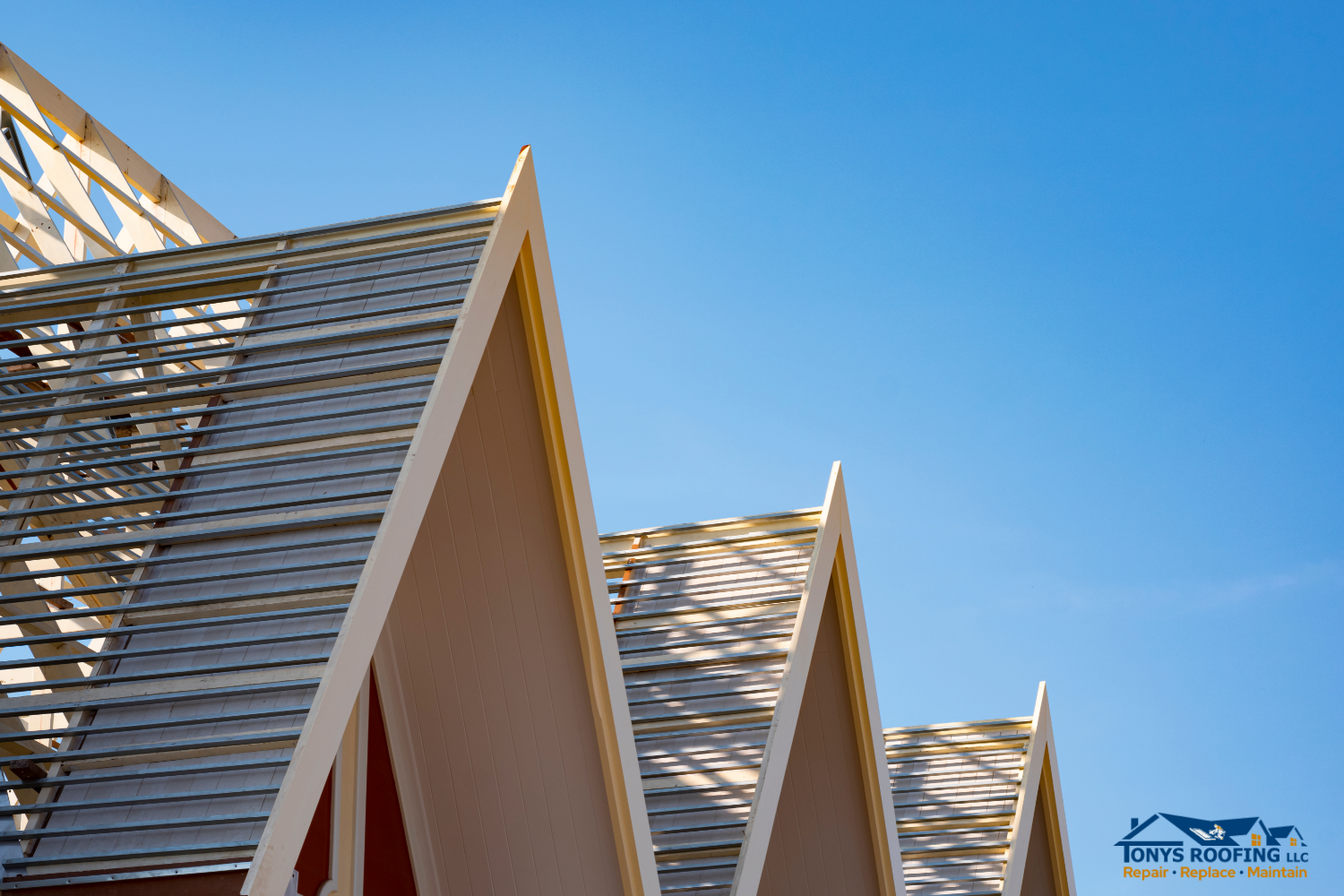
The gable roof is one of the most popular and recognizable roof types. It features two sloping sides that meet at a central ridge, forming a triangular shape. Gable roofs are known for their simplicity and excellent water runoff capabilities. They provide ample attic space, and ventilation, and are relatively affordable to construct. However, they may be prone to damage in high-wind areas if not properly braced.

2. Hip Roof:

A hip roof has slopes on all four sides, which meet at the top to form a ridge. This design offers increased stability and excellent resistance to high winds. Hip roofs are known for their aesthetic appeal and provide great rain and snow-shedding ability. They also offer additional attic space and can be a good choice for areas prone to hurricanes or heavy snowfall. However, hip roofs can be more expensive to build due to the complex design.

3. Mansard Roof:

The mansard roof, also known as a French roof, is a distinct roof style characterized by its double slopes on all four sides. The lower slope is steeper, while the upper slope is relatively flat. Mansard roofs are popular for their elegant and timeless appearance. They provide additional living space in the form of an attic or a full story, making them ideal for expanding living areas. However, the complexity of construction and maintenance can be higher compared to other roof types. 4.

4. Flat Roof:

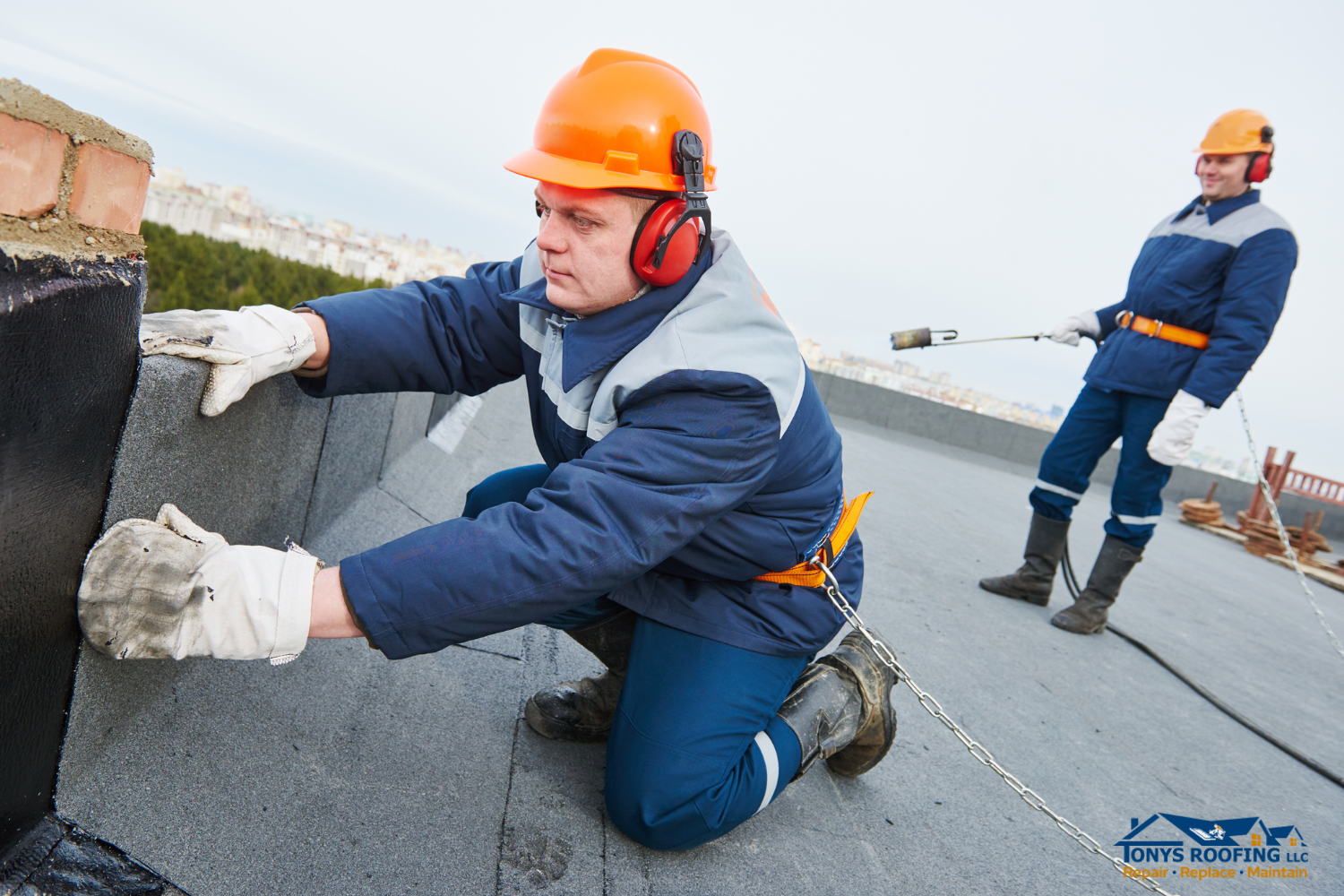
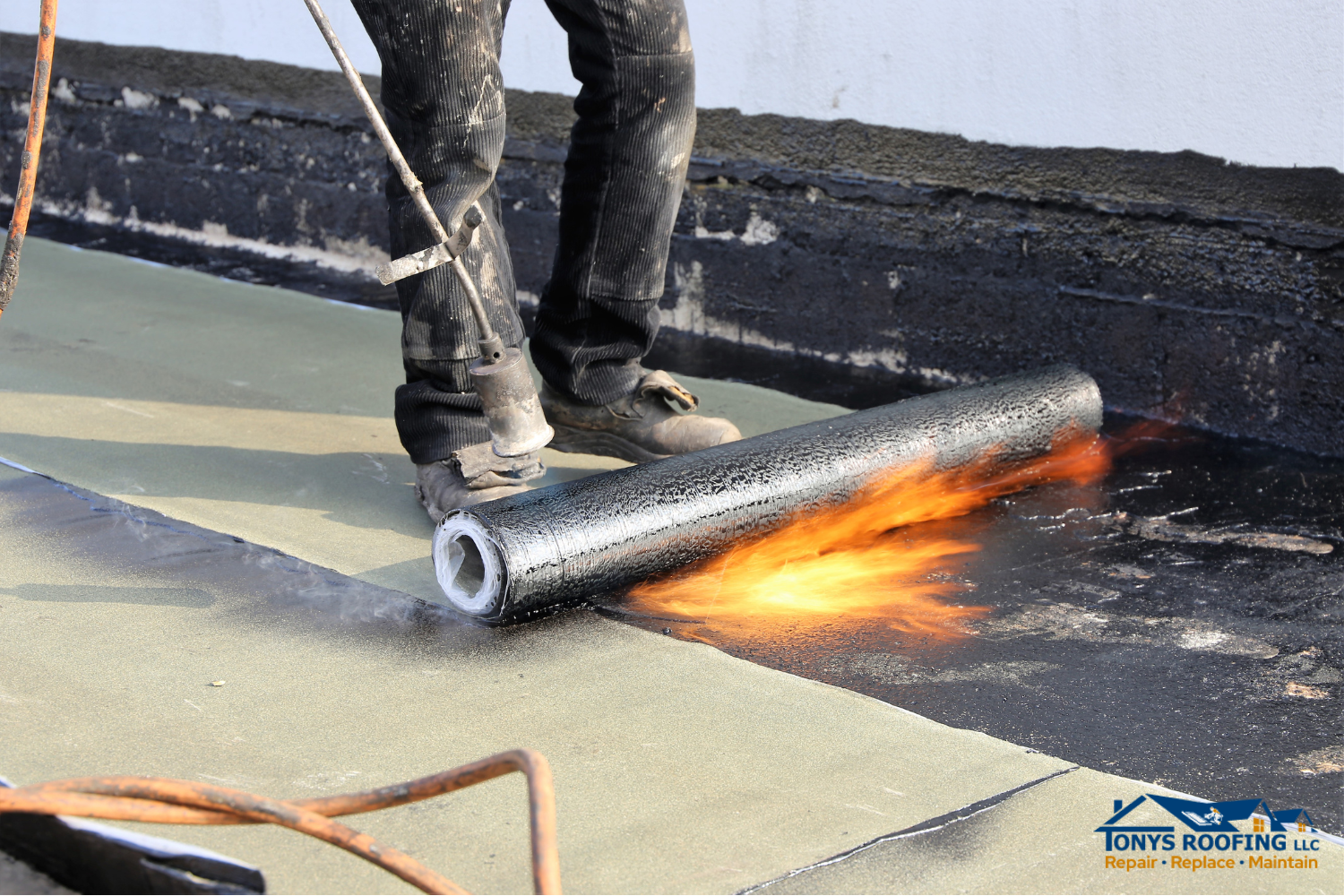
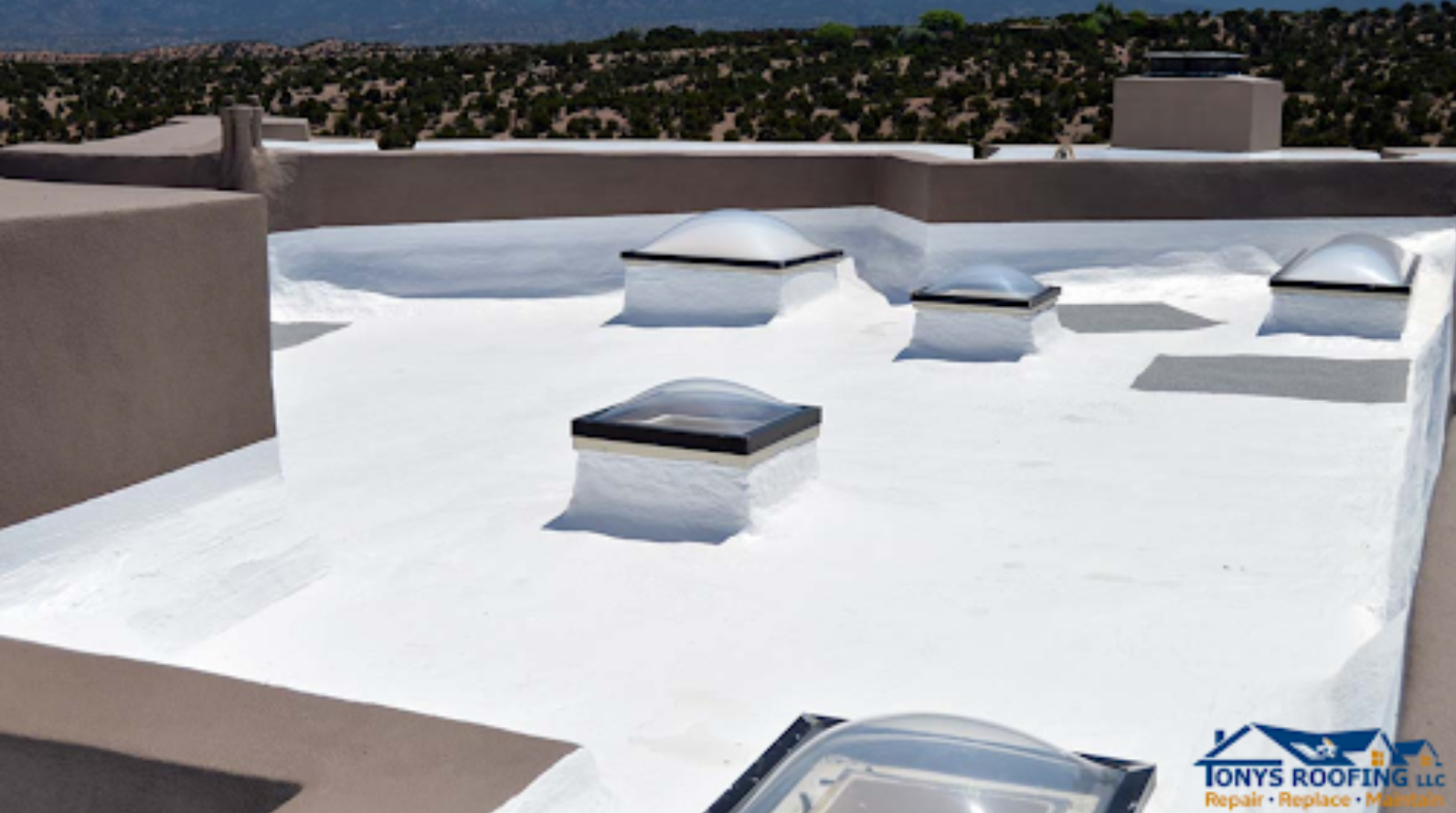
As the name suggests, flat roofs have a minimal slope, almost appearing completely flat. They are commonly found in commercial buildings but are also used in modern residential architecture. Flat roofs are cost-effective, easy to construct, and provide additional outdoor living space. However, they require proper waterproofing and regular maintenance to prevent water pooling and leaks. Flat roofs are not suitable for areas with heavy rainfall or snow accumulation.

Flat Roofs

5. Shed Roof:

A shed roof is a simple, single-sloping roof that slants in one direction. It is commonly used for sheds, garages, or home additions. Shed roofs are easy to build and cost-effective, making them a popular choice for smaller structures. They provide good water runoff and can accommodate large windows for natural light. However, shed roofs offer limited attic space and may not be suitable for larger homes or areas with heavy snow loads.

6. Gambrel Roof:

The gambrel roof is often associated with traditional barns and Dutch Colonial-style homes. It features two slopes on each side, with the lower slope being steeper than the upper slope. Gambrel roofs offer a classic and charming appearance while providing ample attic space. They are efficient at shedding water and snow, making them suitable for areas with harsh climates. However, their design can be complex and may require additional maintenance to prevent leaks.

7. Butterfly Roof:

The butterfly roof is a unique and modern roof type that resembles the shape of a butterfly’s wings. It consists of two panels that slope downward in a V-shape, meeting at a valley in the middle. Butterfly roofs offer a distinctive and striking architectural feature, allowing for large windows and increased natural light. They are also designed to collect rainwater for eco-friendly purposes. However, the complexity of construction and the potential for water leakage requires careful planning and installation.

8. Green Roof:

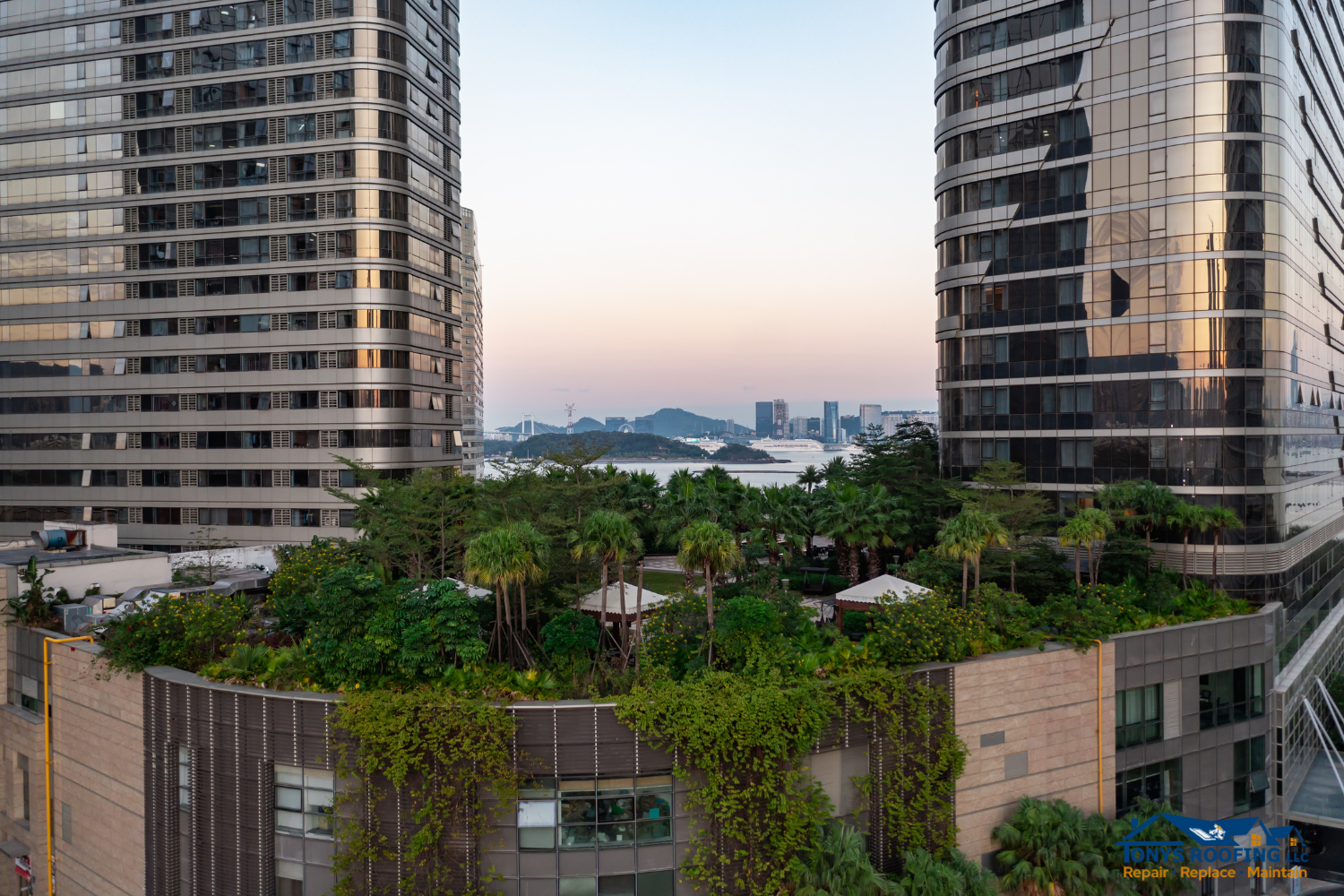
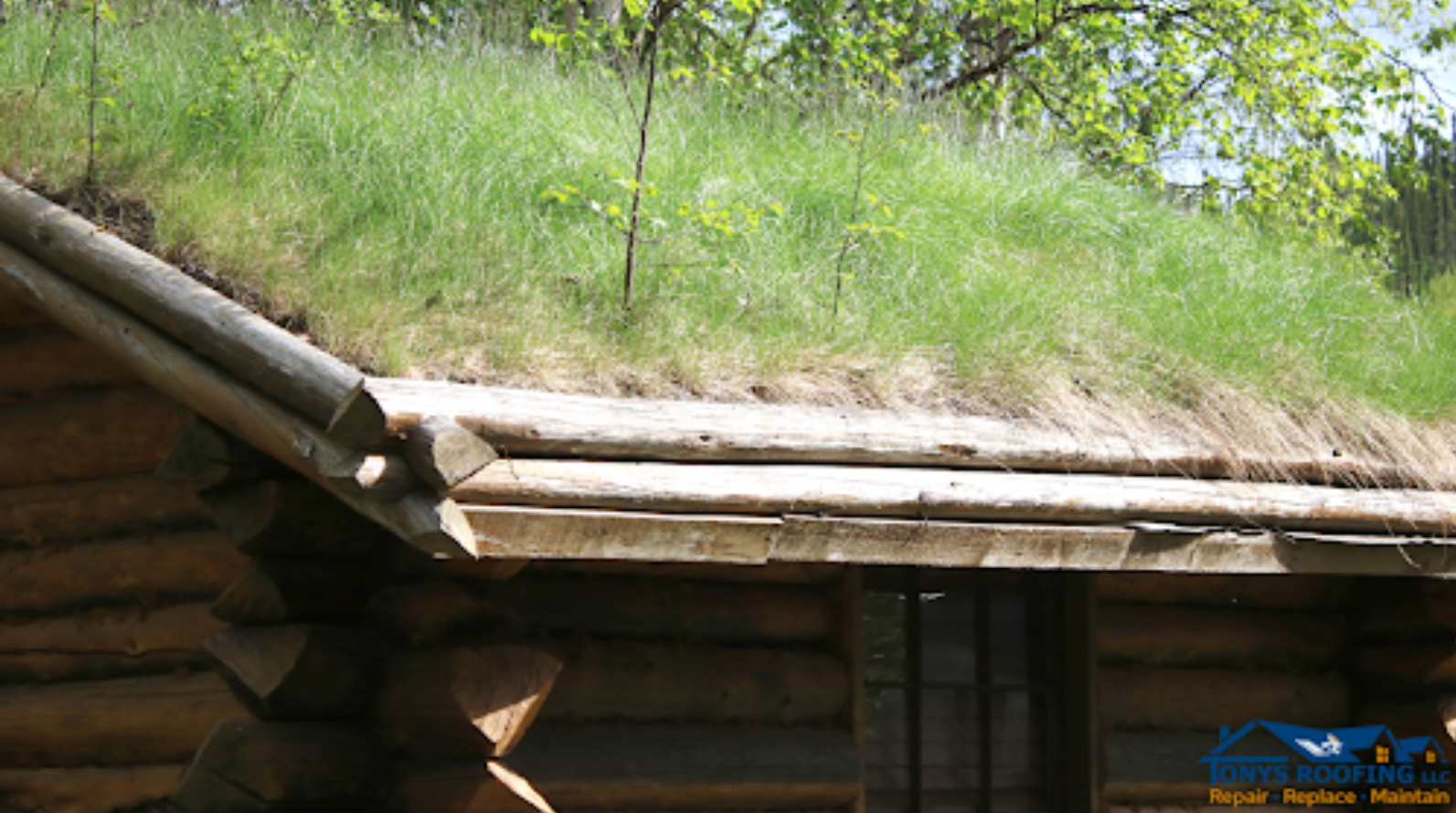
Green roofs, also known as living roofs or rooftop gardens, are becoming increasingly popular due to their environmental benefits. They feature a layer of vegetation on top of a waterproofing system. Green roofs provide insulation, reduce stormwater runoff, improve air quality, and create green space in urban areas. However, they require specialized design, additional structural support, and ongoing maintenance.

Green roofs

When choosing a roof type, consider factors such as your climate, budget, architectural style, and personal preferences. It’s also essential to consult with a professional roofing contractor or architect to ensure the chosen roof type is suitable for your specific needs and meets local building codes.

In conclusion

Understanding different roof types is crucial when planning a new construction or renovation project. Each roof type has its own unique features, advantages, and considerations. By familiarizing yourself with the options available and seeking professional guidance, you can make an informed decision that enhances the functionality, aesthetics, and longevity of your roof.

The Top Commercial Roofing Trends of 2023

The Top Commercial Roofing Trends of 2023

The commercial roofing industry is constantly evolving, driven by advancements in technology, changing environmental concerns, and the need for more sustainable and efficient solutions. As we enter 2023, it’s essential for businesses and building owners to stay informed about the latest trends shaping the commercial roofing landscape.

In This Article, We Will Explore The Top Commercial Roofing Trends Of 2023, Highlighting Innovative Materials, Technologies, And Practices That Are Transforming The Industry

1. Sustainable Roofing Solutions

Sustainability continues to be a prominent trend in commercial roofing. Businesses are increasingly seeking eco-friendly options that reduce their environmental impact and lower energy costs. Green roofs, which incorporate vegetation and plant life, are gaining popularity as they provide insulation, reduce stormwater runoff, and improve air quality. Additionally, solar roofing is becoming more accessible and affordable, allowing businesses to harness renewable energy while benefiting from long-term cost savings.

2. Cool Roofing Systems

Cool roofing systems are designed to reflect sunlight and absorb less heat than traditional roofs. These systems are typically made from highly reflective materials and coatings that reduce the heat transferred into the building, resulting in energy savings and improved comfort. In 2023, we can expect to see an increase in the adoption of cool roofing systems, driven by their energy efficiency benefits and the growing demand for sustainable building practices.

3. Advanced Roofing Technologies

Technology is revolutionizing the commercial roofing industry, offering enhanced efficiency, safety, and monitoring capabilities. Drones are being used for aerial inspections, providing detailed imagery and data for accurate assessments. Thermal imaging technology helps detect moisture and insulation issues, enabling proactive maintenance and reducing the risk of damage. Additionally, building management systems and sensors are being integrated into roofing systems, allowing for real-time monitoring of conditions such as temperature, humidity, and leaks.

4. Single-Ply Membrane Roofing

Single-ply membrane roofing systems, such as TPO (thermoplastic olefin) and EPDM (ethylene propylene diene monomer), are gaining popularity in commercial applications. These membranes offer durability, flexibility, and ease of installation. TPO membranes, in particular, are known for their energy efficiency and resistance to UV rays, chemicals, and punctures. As businesses prioritize cost-effectiveness and long-term performance, the demand for single-ply membrane roofing is expected to grow in 2023.

5. Roof Coatings and Restoration

Roof Coatings and Restoration

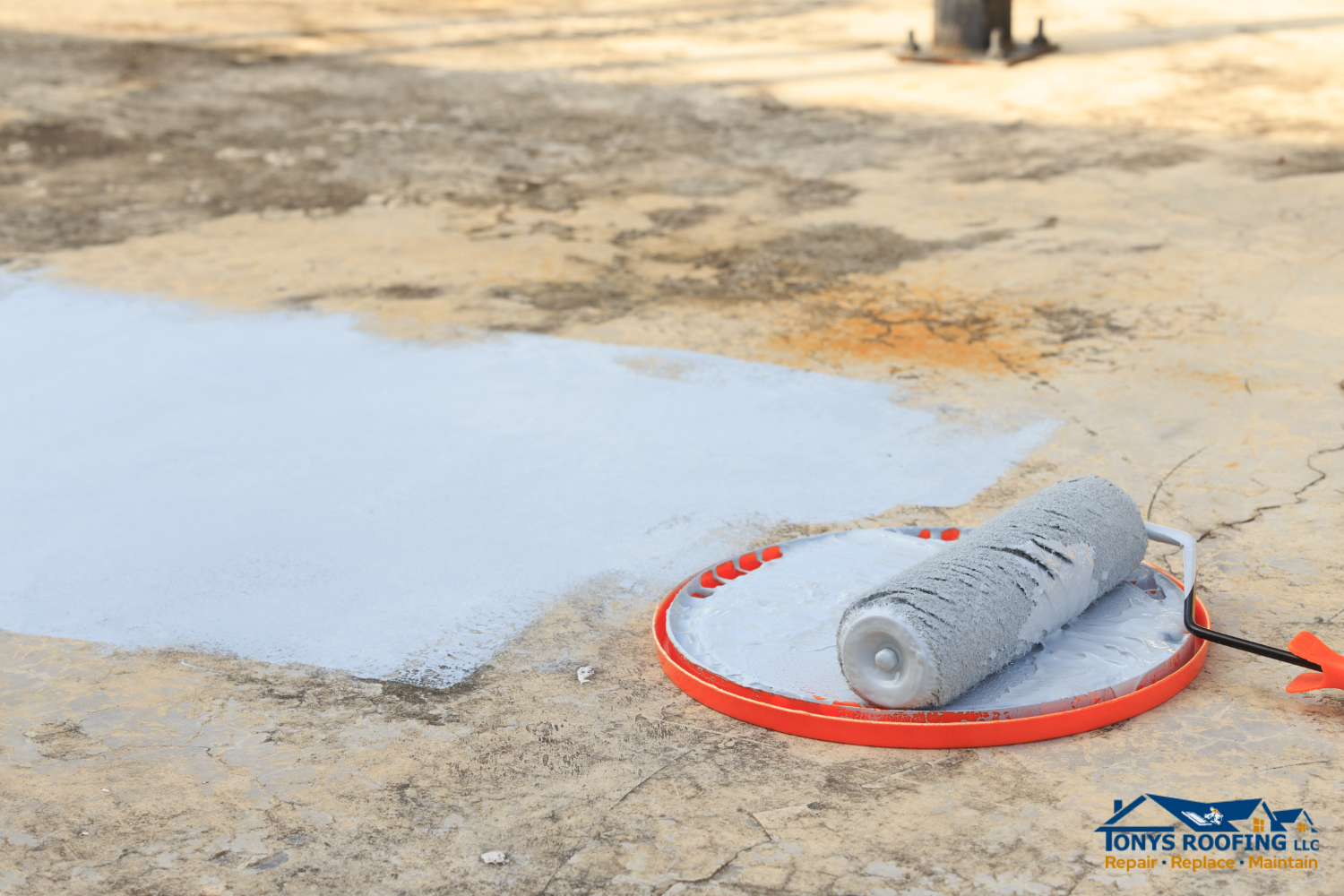
Roof coatings and restoration solutions are becoming an increasingly popular alternative to roof replacements. These coatings, which can be applied to various types of roofs, provide a protective barrier against UV rays, moisture, and other environmental elements. They can extend the lifespan of existing roofs, reduce maintenance needs, and enhance energy efficiency. Roof restoration systems not only save costs but also contribute to sustainable practices by minimizing waste and landfill burden.

6. Integrated Solar Roofing

As businesses embrace renewable energy, integrated solar roofing systems are gaining traction. These systems combine the functionality of a traditional roof with solar panels seamlessly integrated into the design. Integrated solar roofing provides an aesthetically pleasing solution, eliminates the need for additional mounting structures, and maximizes solar energy generation. With advancements in solar technology and decreasing costs, integrated solar roofing is expected to be a prominent trend in commercial buildings in 2023.

7. Enhanced Roofing Insulation

Enhanced Roofing Insulation

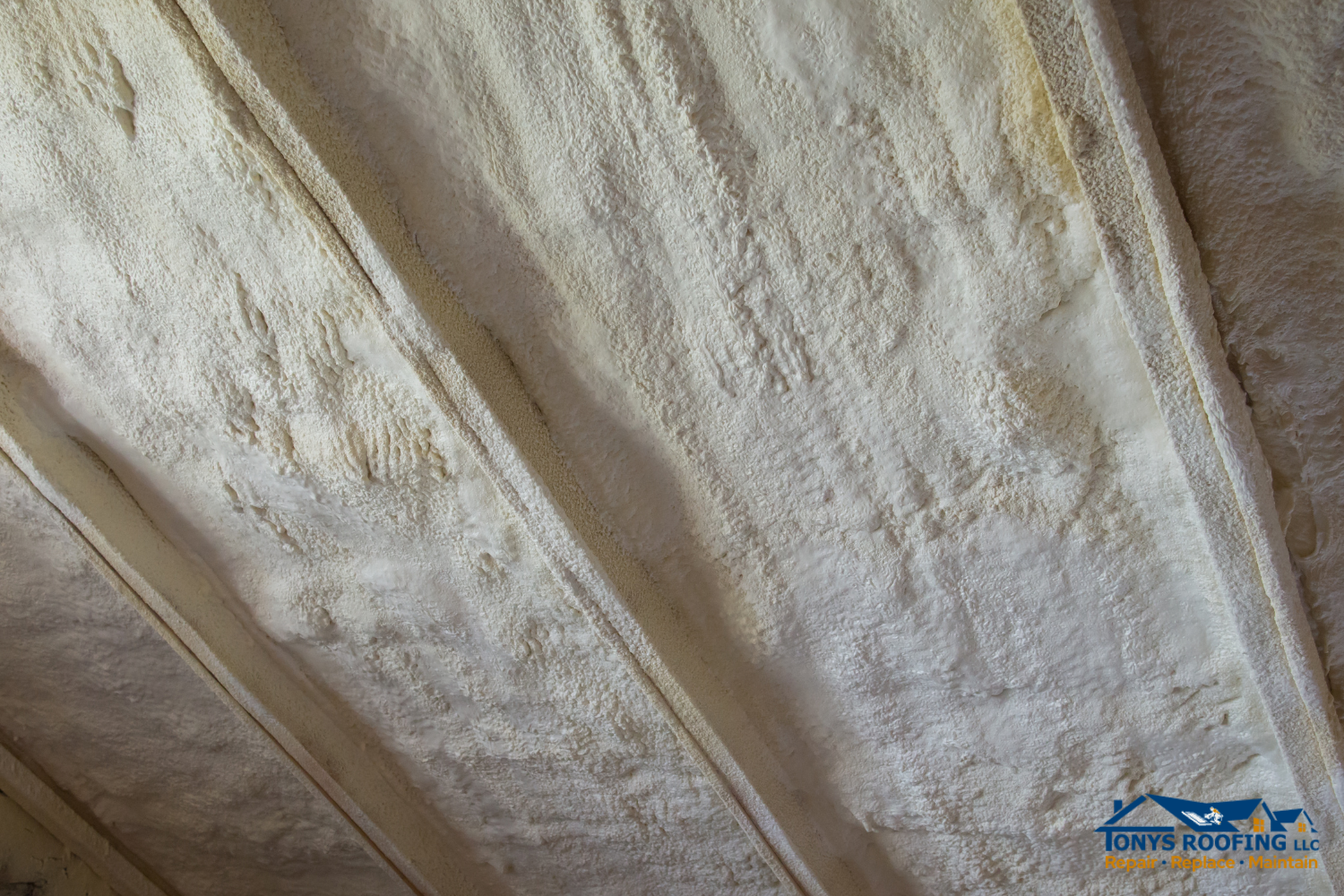
Roofing insulation plays a crucial role in energy efficiency and occupant comfort. In 2023, there will be an increased focus on enhanced insulation materials and techniques. High-performance insulation materials, such as spray foam and rigid insulation boards, are being utilized to minimize heat loss, reduce energy consumption, and improve overall building performance. Proper insulation helps maintain stable indoor temperatures, reducing the reliance on heating and cooling systems.

Conclusion

As the commercial roofing industry evolves, it is essential for businesses to stay informed about the latest trends and advancements. Sustainable roofing solutions, cool roofing systems, advanced technologies, single-ply membranes, roof coatings, integrated solar roofing, and enhanced insulation are the top trends shaping the commercial roofing landscape in 2023. By embracing these trends, businesses can achieve greater energy efficiency, reduce environmental impact, and ensure long-term cost savings while maintaining the integrity and performance of their commercial roofs.

The Best Roofing Options for Energy Efficiency

The Best Roofing Options for Energy Efficiency

In an era of rising energy costs and increased environmental awareness, homeowners are increasingly seeking ways to make their homes more energy-efficient. One significant area of focus is the roof, which plays a crucial role in regulating a home’s temperature and energy consumption. By choosing the right roofing materials and design, homeowners can significantly enhance their home’s energy efficiency. In this article, we will explore some of the best roofing options for energy efficiency.

Metal Roofing:

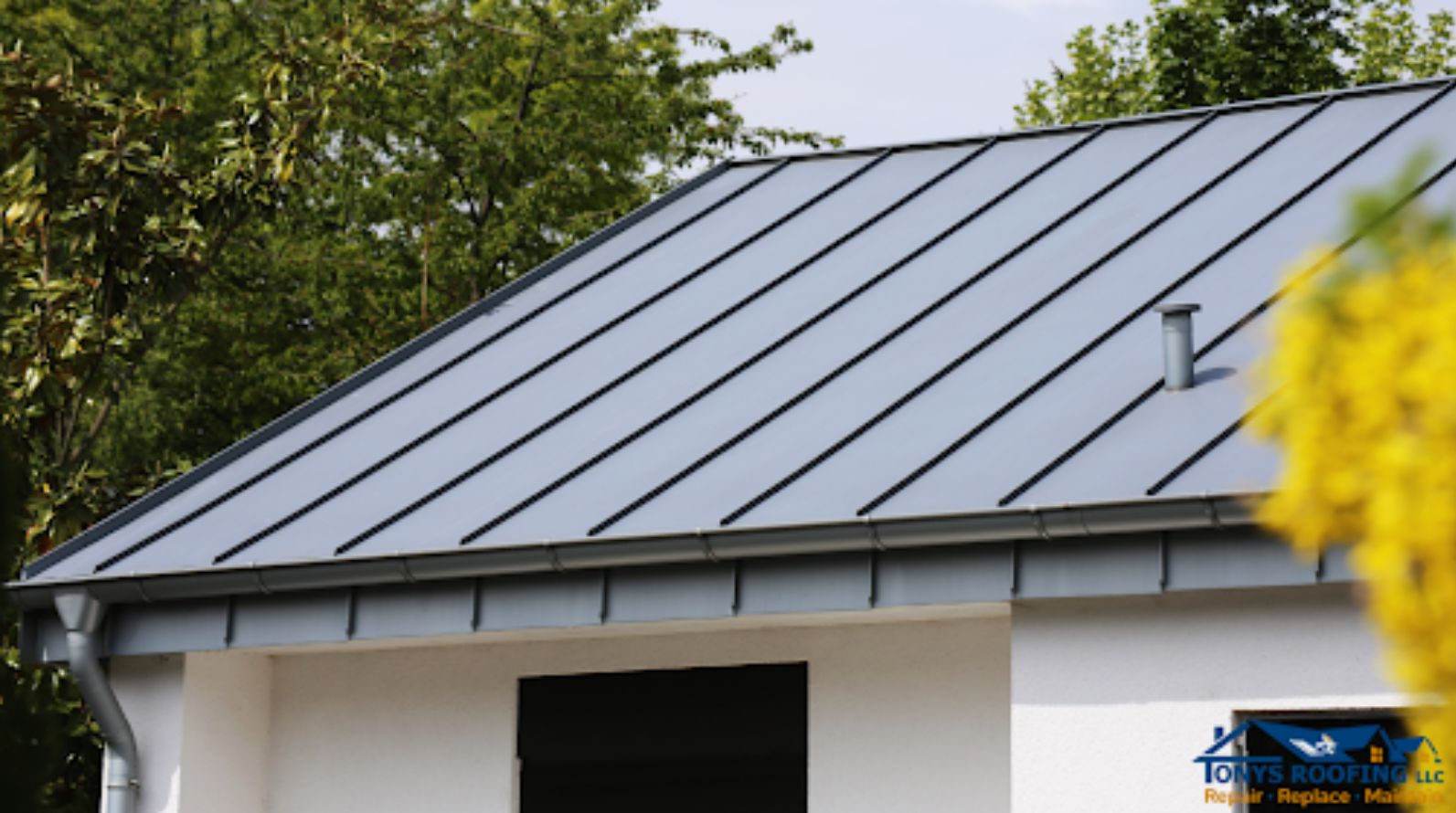
Metal roofing has gained popularity in recent years due to its excellent energy-efficient properties. Metal roofs are highly reflective, meaning they reflect a significant amount of solar radiation away from the house. This reflective property helps to keep the interior of the home cooler, reducing the need for excessive air conditioning during hot summer months.

Furthermore, metal roofs are known for their durability and longevity, meaning they can last much longer than traditional asphalt shingles. This durability reduces the need for frequent replacements, which not only saves money but also reduces the environmental impact associated with manufacturing and disposing of roofing materials. Additionally, metal roofs can be coated with special heat-reflective coatings, further enhancing their energy efficiency.

Cool Roofs:

Cool Roofs

Cool roofs are specifically designed to reflect more sunlight and absorb less heat than standard roofs. They are typically made with highly reflective materials, such as specially coated shingles, tiles, or membranes. These materials have high solar reflectance and thermal emittance, effectively reducing the amount of heat absorbed by the roof.

By reflecting more sunlight, cool roofs can significantly lower the temperature inside the building, reducing the need for air conditioning. Studies have shown that cool roofs can lower peak cooling demand by 10% to 15%, resulting in reduced energy consumption and lower utility bills.

Green Roofs:

Green Roofs

Green roofs, also known as living roofs or rooftop gardens, are becoming increasingly popular in urban environments. They involve the installation of a layer of vegetation on the roof, providing numerous energy-efficient benefits.

Firstly, green roofs act as natural insulation, providing an additional layer of protection against heat loss in winter and heat gain in summer. They can significantly reduce the amount of energy required for heating and cooling the building.

Secondly, green roofs absorb and retain rainwater, reducing stormwater runoff and the strain on drainage systems. This reduces the energy needed for pumping and treating water in urban areas.

Lastly, green roofs contribute to the reduction of the urban heat island effect, where cities experience higher temperatures due to the abundance of concrete and asphalt. The vegetation on green roofs helps to cool the surrounding air and improve air quality.

Solar Roofing:

Solar Roofing

Solar roofing, also known as photovoltaic (PV) roofing, combines energy-efficient roofing materials with solar panels to generate electricity. These roofs are designed to integrate seamlessly with the architecture of the building while harnessing solar energy to power the home.

Solar roofing not only reduces reliance on fossil fuels but also provides significant energy savings. By generating electricity from the sun, homeowners can offset their energy consumption and reduce their utility bills. Excess energy can even be sold back to the grid, further reducing costs.

Additionally, solar roofing can be combined with energy storage systems, such as batteries, to store excess energy for use during cloudy days or at night. This enhances energy self-sufficiency and provides backup power during outages.

Clay or Concrete Tiles:

Clay or Concrete Tiles

Clay and concrete tiles are not only aesthetically pleasing but also offer excellent energy-efficient properties. These materials have high thermal mass, meaning they can absorb and store heat during the day and release it slowly at night.

By utilizing the thermal mass of clay or concrete tiles, homes can benefit from reduced temperature fluctuations. This can help maintain a more comfortable interior temperature, reducing the need for excessive heating or cooling.

Furthermore, clay and concrete tiles have excellent durability and longevity, making them a sustainable choice for roofing. Their long lifespan reduces the frequency of replacement, resulting in fewer resources consumed and less waste generated over time.

Conclusion:

Choosing the right roofing materials is a crucial step in improving the energy efficiency of your home. Metal roofing, cool roofs, green roofs, solar roofing, and clay or concrete tiles are all excellent options to consider. Each of these options offers unique benefits, such as increased reflectivity, natural insulation, or energy generation. By investing in energy-efficient roofing, homeowners can reduce their energy consumption, lower utility bills, and contribute to a greener and more sustainable future.

The Top Do's and Don'ts of DIY Roof Repair

The Top Do’s and Don’ts of DIY Roof Repair

Roof repair is a task that many homeowners attempt to tackle in order to save money. While DIY roof repair can be a cost-effective solution, it can also be dangerous and result in further damage if not done correctly. To ensure a successful and safe DIY roof repair, here are the top do’s and don’ts to keep in mind.

Do: Assess the Damage

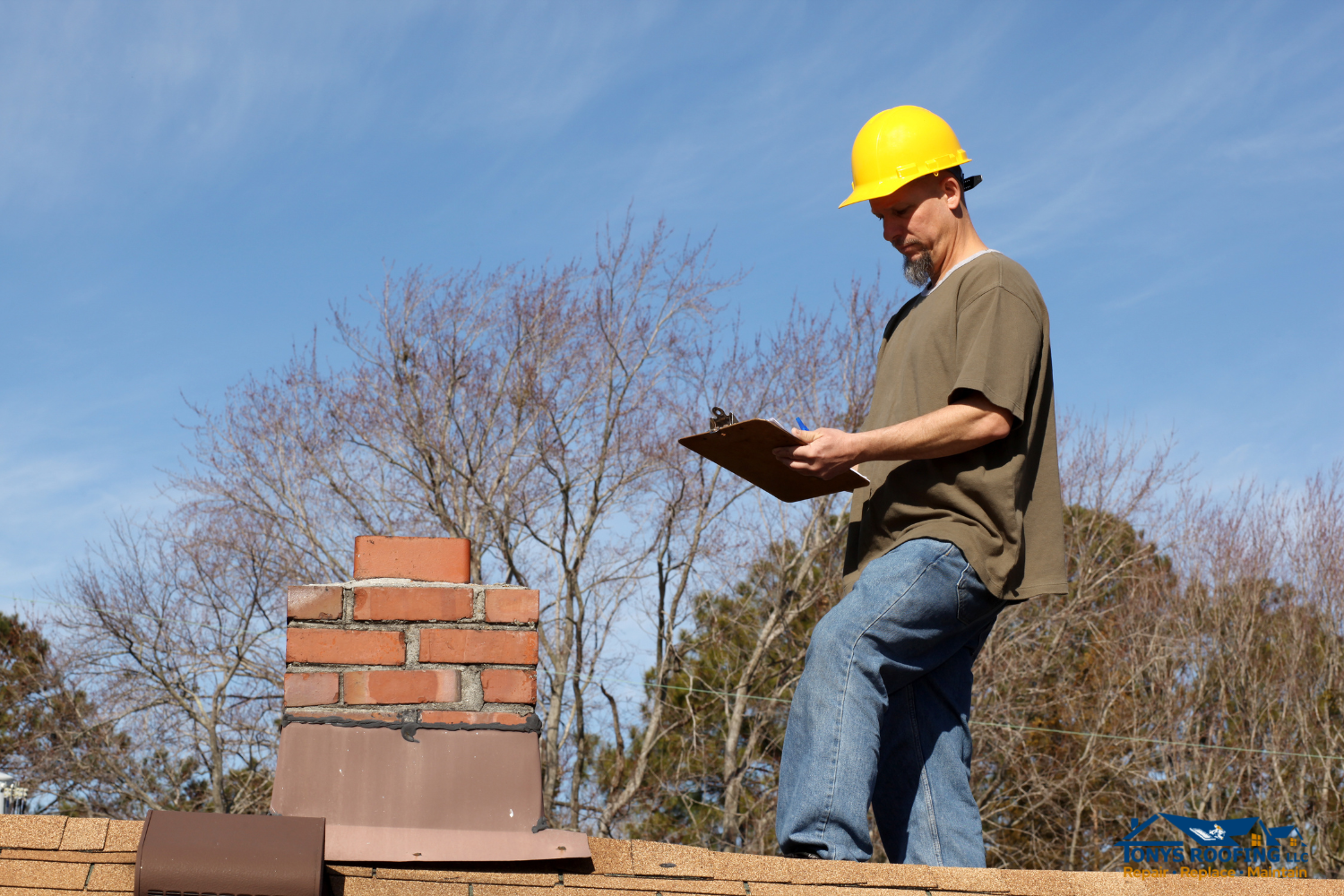
Before you begin any DIY roof repair, it is important to assess the damage to determine the best course of action. Look for signs of damage such as missing or cracked shingles, leaks, or damage to the flashing. It is also important to assess the overall condition of your roof, including its age, type of material, and past repairs. This information can help you determine if the damage can be repaired or if a full roof replacement is necessary.

Don’t: Work Alone

Roof repair can be a dangerous task, and working alone can increase the risk of injury. It is important to have someone else with you to hold the ladder steady and provide assistance as needed. If possible, hire a professional roofing contractor to handle the repairs. They have the necessary equipment, experience, and safety protocols to ensure a successful and safe repair.

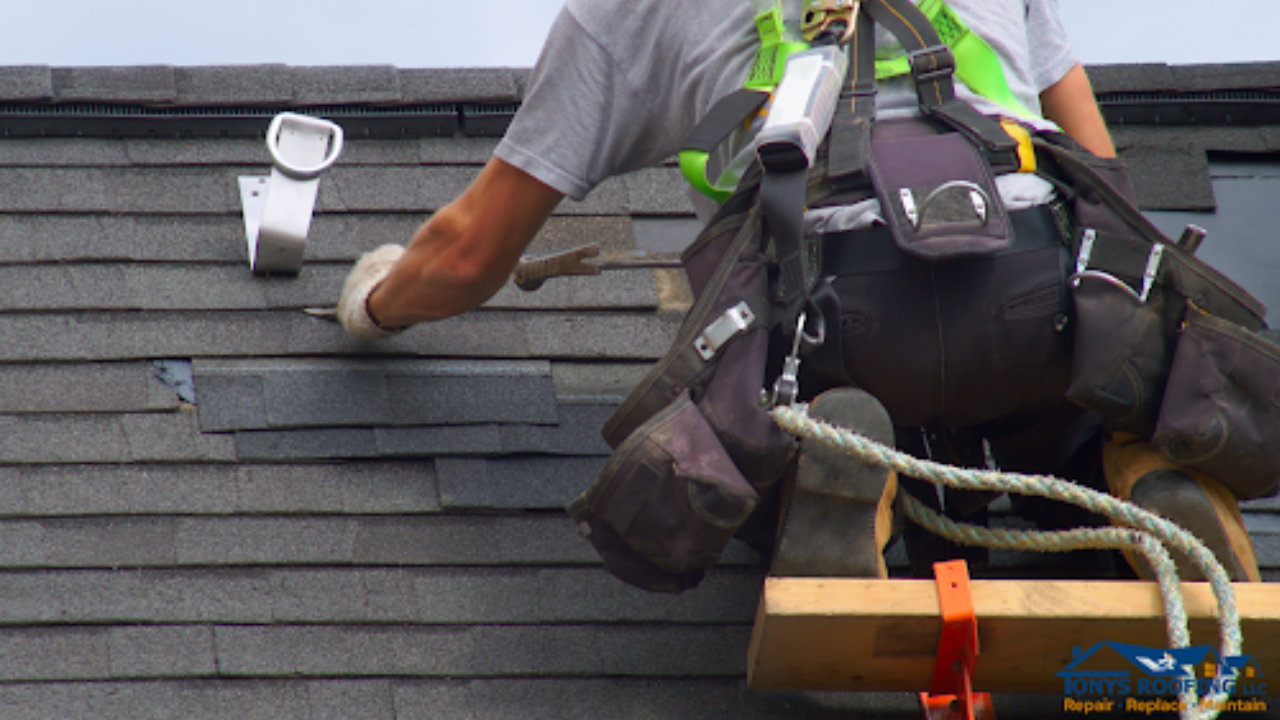
Do: Use Proper Safety Equipment

Do: Use Proper Safety Equipment

Working on a roof requires proper safety equipment to prevent falls and other accidents. This includes a safety harness, safety glasses, gloves, and slip-resistant shoes. It is also important to use a sturdy ladder and ensure it is placed on level ground. Never work on a wet or icy roof, as this increases the risk of slipping and falling.

Don’t: Use Improper Tools

Using the wrong tools can result in further damage to your roof or injury to yourself. Make sure you have the proper tools for the job, such as a hammer, nails, roofing cement, and a utility knife. Avoid using power tools, as they can damage the roofing material and make the repair more difficult.

Do: Repair Small Issues Promptly

Small issues such as missing or cracked shingles can be repaired quickly and easily if addressed promptly. Ignoring these issues can result in more extensive damage and more costly repairs in the future. If you notice a small issue, address it promptly to prevent further damage.

Don’t: Attempt Major Repairs

Major roof repairs, such as extensive damage to the flashing or a large leak, should be left to professionals. Attempting these repairs yourself can result in further damage to your roof or injury to yourself. Hire a professional roofing contractor to handle major repairs to ensure a successful and safe repair.

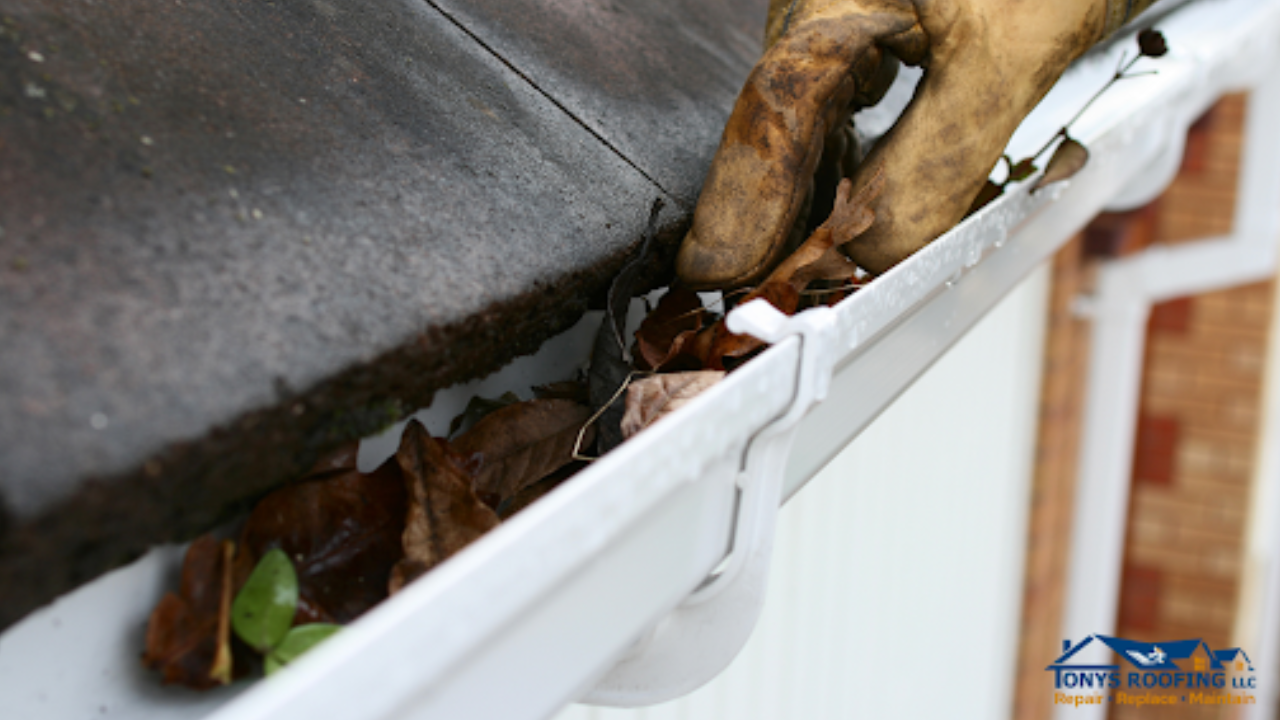
Do: Clean Your Gutters

Do: Clean Your Gutters

Keeping your gutters clean can prevent water damage to your roof and extend its lifespan. Clogged gutters can cause water to back up and damage your roof, so it is important to clean your gutters regularly to ensure they are functioning properly.

Don’t: Ignore Signs of Damage

Ignoring signs of damage such as leaks or missing shingles can result in more extensive damage and costly repairs. If you notice any signs of damage, address them promptly to prevent further damage and ensure your roof is in good condition.

Do: Research Proper Techniques

Before attempting any DIY roof repair, it is important to research the proper techniques and materials to use. This can help ensure a successful repair and prevent further damage. Look for resources such as online tutorials or consult with a professional roofing contractor for advice.

Don’t: Skimp on Materials

Using low-quality materials can result in a failed repair and more costly repairs in the future. It is important to use high-quality materials that are designed for your specific type of roofing material. Skimping on materials can result in poor repair that does not last.

Do: Address Issues from the Inside

In some cases, issues with your roof can be addressed from the inside of your home. This includes checking your attic for signs of water damage, such as wet insulation or mold growth. Addressing these issues promptly can prevent further damage to your roof and extend its lifespan.

Don’t: Attempt Repairs in Extreme Weather

Attempting roof repairs in extreme weather conditions, such as high winds or heavy rain, can be dangerous and result in further damage. Wait for weather conditions to improve before attempting any DIY roof repairs.

Do: Regularly Inspect Your Roof

Regularly inspecting your roof can help you identify small issues before they become major problems. Schedule an inspection at least once a year and after any major storms or extreme weather events. This can help you address issues promptly and prevent further damage.

Don’t: Assume You Can Handle Any Repair

Roof repair can be a complex and dangerous task, and not all repairs can be handled by the average homeowner. If you are unsure of your ability to handle a repair, or if the repair is too complex or dangerous, hire a professional roofing contractor to handle the repair.

In conclusion, DIY roof repair can be a cost-effective solution for small repairs, but it is important to follow the top do’s and don’ts to ensure a successful and safe repair. Assess the damage, use proper safety equipment, and research proper techniques and materials before attempting any repairs. Address small issues promptly, regularly inspect your roof, and don’t hesitate to hire a professional for major repairs or if you are unsure of your ability to handle a repair. By following these tips, you can extend the lifespan of your roof and prevent further damage.

The Lifespan of Your Roof: When to Repair and When to Replace

The Lifespan of Your Roof: When to Repair and When to Replace

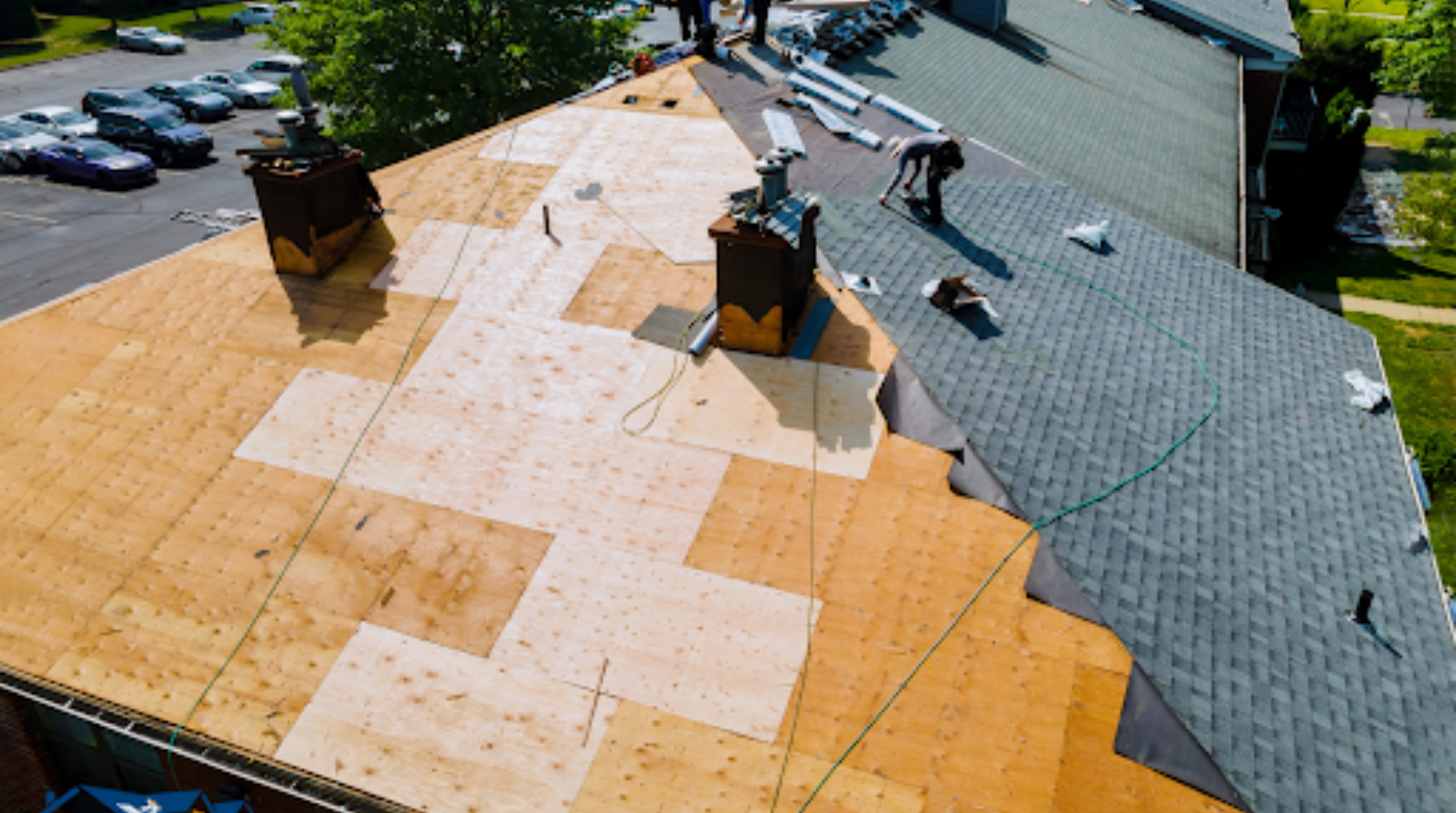
Your roof is one of the most important components of your home. It provides protection from the elements and helps to maintain the structural integrity of your house. However, just like any other component of your home, your roof has a limited lifespan. Over time, it can develop problems and may require repair or replacement. In this article, we will discuss the lifespan of your roof, signs that indicate it needs repair or replacement, and what you should do if you suspect there are issues with your roof.

How long should a roof last?

The lifespan of your roof depends on several factors, including the type of material it is made of, the quality of installation, and the level of maintenance it receives. On average, a roof made of asphalt shingles can last between 15 to 30 years, while a metal roof can last up to 50 years. Slate, tile, and cedar shake roofs can last up to 100 years, but they require more maintenance and are typically more expensive to install.

Signs that your roof needs repair or replacement

There are several signs that indicate your roof may need repair or replacement. These include:

  1. Leaks: If you notice water stains on your ceiling or walls, it is a sign that your roof is leaking. Leaks can cause significant damage to your home if not addressed promptly.
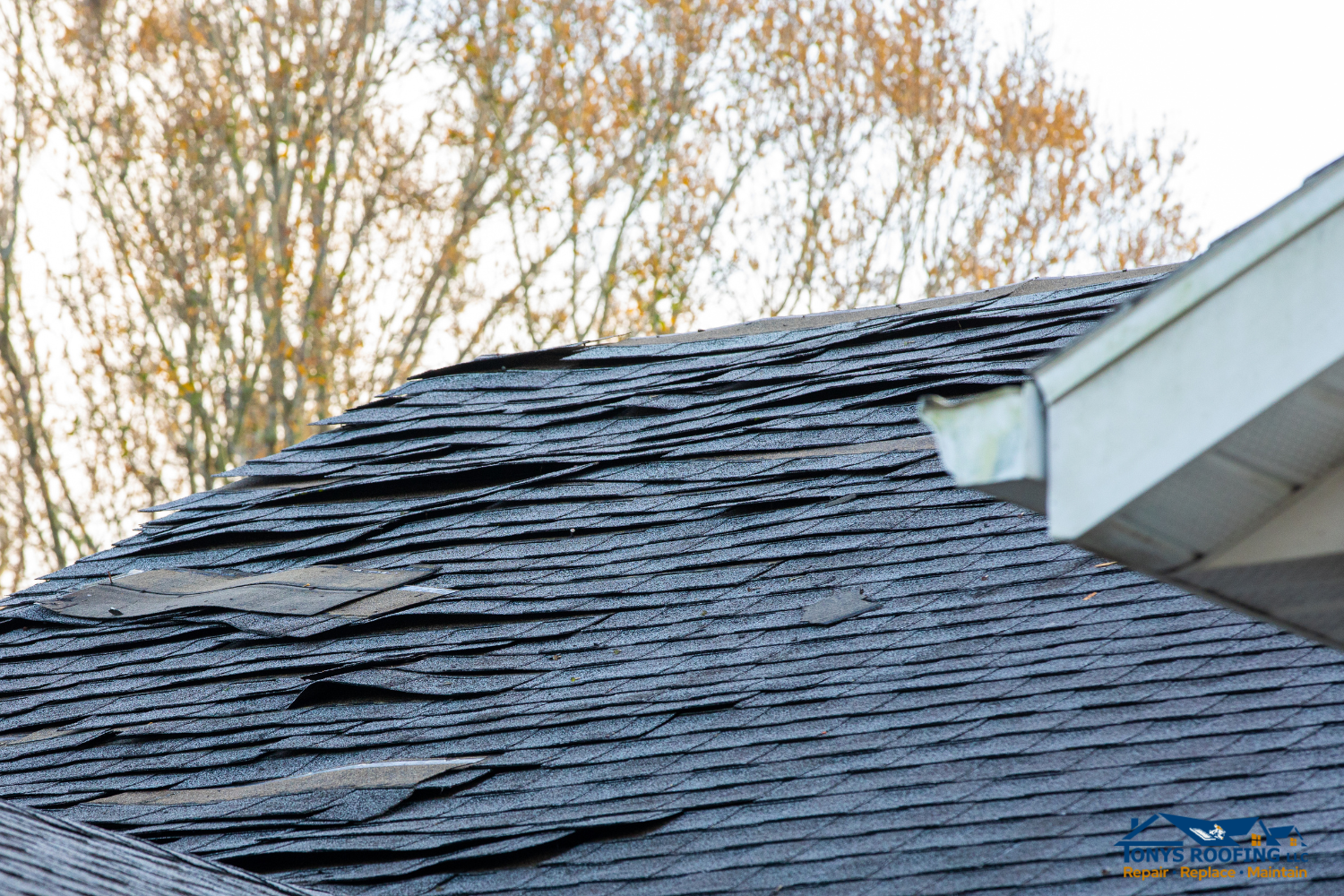
  2. Missing or damaged shingles: Missing or damaged shingles can allow water to seep into your home and cause leaks. They can also be a sign that your roof is nearing the end of its lifespan.
  3. Curling or buckling shingles: Curling or buckling shingles are a sign that your roof is aging and may need to be replaced soon.
  4. Granules in gutters: If you notice granules in your gutters, it is a sign that your shingles are losing their protective coating and may need to be replaced.
  5. Cracked or damaged flashing: Flashing is the metal or plastic material that seals the joints and edges of your roof. If it is cracked or damaged, it can allow water to seep into your home.

What should you do if you suspect your roof needs repair or replacement?

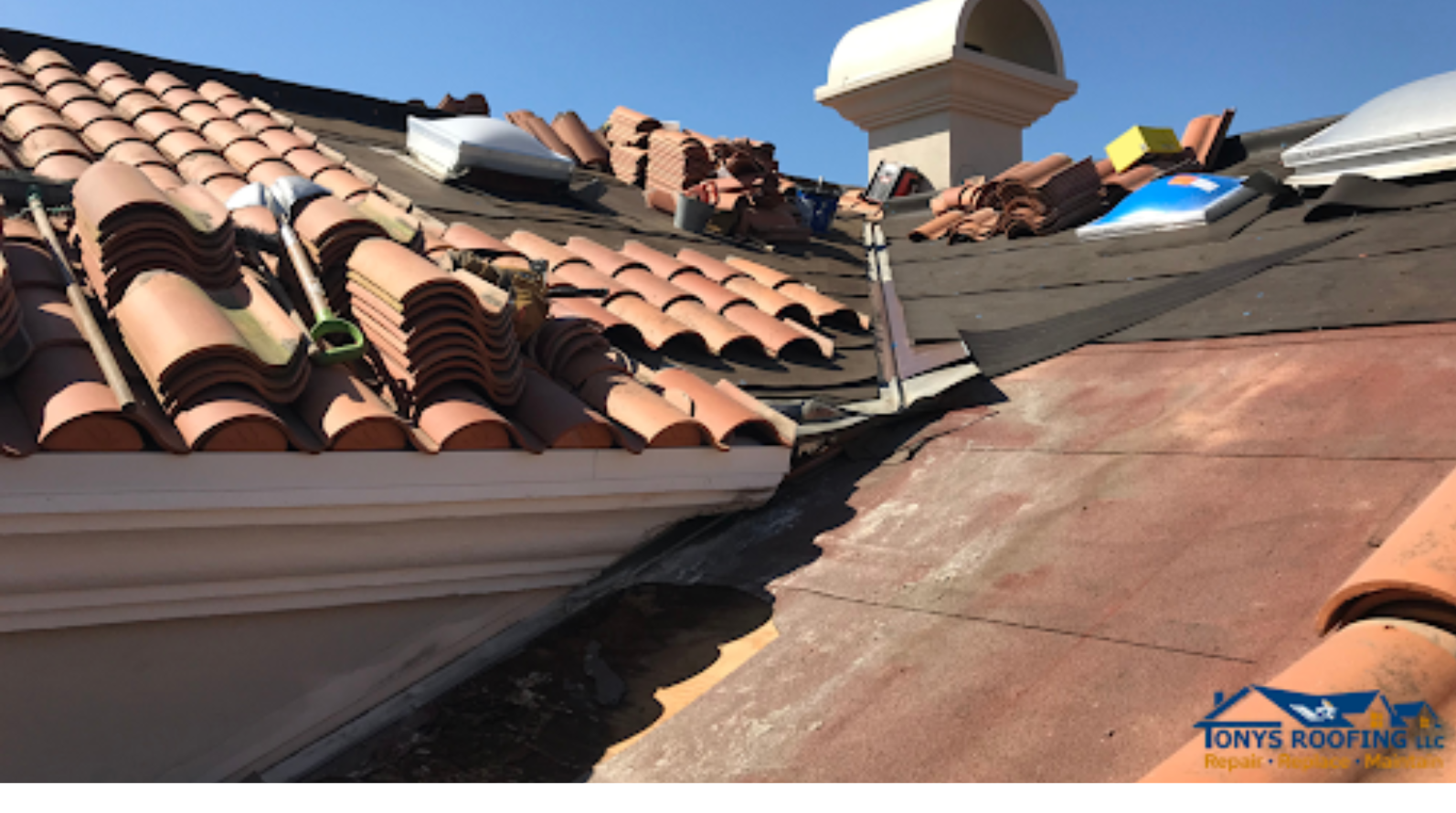
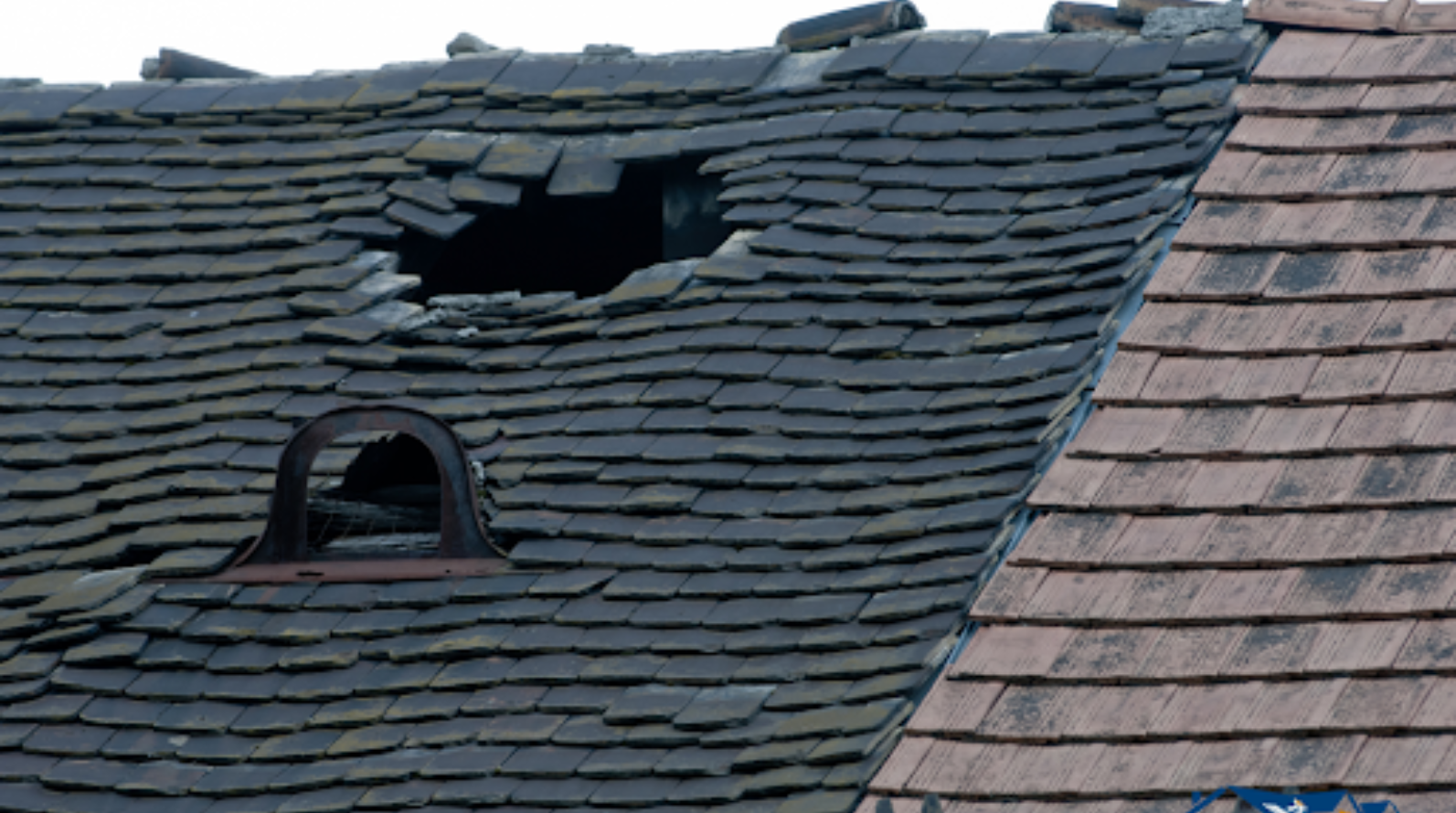
Holes in a damaged roof

If you suspect there are issues with your roof, it is important to take action promptly. Delaying repairs or replacement can lead to further damage and may be more expensive in the long run. Here are the steps you should take if you suspect your roof needs repair or replacement:

  1. Inspect your roof: Take a look at your roof from the ground and see if you can spot any missing or damaged shingles, curling or buckling shingles, or other signs of wear and tear.
  2. Hire a professional: If you are not comfortable inspecting your roof yourself, hire a professional roofing contractor to do it for you. They can give you a more detailed assessment of the condition of your roof and recommend repairs or replacements if necessary.
  3. Get estimates: If repairs or replacement is needed, get estimates from at least three different roofing contractors. Compare the estimates and choose the one that best fits your budget and needs.
  4. Schedule repairs or replacement: Once you have chosen a contractor, schedule repairs or replacement as soon as possible. Delaying the work can lead to further damage and may be more expensive in the long run.

Repair vs. Replacement: Which is the best option?

Whether to repair or replace your roof depends on several factors, including the age and condition of your roof, the type of material it is made of, and your budget. Here are some things to consider when deciding whether to repair or replace your roof:

  1. Age: If your roof is nearing the end of its expected lifespan, it may be more cost-effective to replace it rather than continue to make repairs.
  2. Condition: If your roof is in good condition overall but has a few minor issues, such as a few missing shingles, it may be more cost-effective to repair those issues rather than replace the entire roof.
  1. Type of material: Some types of roofing materials, such as slate or tile, may be more expensive to repair or replace than others, such as asphalt shingles. Consider the cost of repairs or replacement for your specific type of roofing material.
  2. Budget: The cost of repairs or replacement can vary significantly, so it is important to consider your budget when making the decision. If you cannot afford a full replacement, repairs may be a better option in the short term.
  3. Future plans: If you plan to sell your home in the near future, a full roof replacement may increase the value of your home and make it more attractive to potential buyers.

In general, if your roof is more than 20 years old and has significant issues, such as leaks or extensive damage, it may be more cost-effective to replace the entire roof rather than make repairs. However, if your roof is in good overall condition and only has minor issues, such as a few missing shingles, repairs may be a more affordable and effective option.

How to extend the lifespan of your roof

While the lifespan of your roof is ultimately determined by its material, installation, and maintenance, there are a few things you can do to extend its lifespan and avoid costly repairs or replacement:

  1. Regular maintenance: Schedule regular maintenance with a professional roofing contractor to inspect and clean your roof. This can help identify and address issues before they become major problems.
  2. Keep gutters clean: Clogged gutters can cause water to back up and damage your roof. Clean your gutters regularly to ensure they are functioning properly.
  3. Trim trees: Trees that hang over your roof can cause damage and shorten the lifespan of your roof. Trim any branches that hang over your roof to prevent damage.
  4. Insulate your attic: Proper attic insulation can help regulate the temperature in your home and reduce the strain on your roof.
  5. Ventilate your attic: Proper attic ventilation can help regulate the temperature and moisture levels in your attic, which can reduce the risk of damage to your roof.

Conclusion

Your roof is an important component of your home and requires regular maintenance to ensure its longevity. Knowing the signs that indicate your roof needs repair or replacement and taking prompt action can prevent further damage and save you money in the long run. Whether to repair or replace your roof depends on several factors, including the age and condition of your roof, the type of material it is made of, and your budget. By taking steps to extend the lifespan of your roof and addressing issues promptly, you can ensure your home is protected for years to come.

CALL: 503-415-0438