The Top Commercial Roofing Trends of 2023

The Top Commercial Roofing Trends of 2023

The commercial roofing industry is constantly evolving, driven by advancements in technology, changing environmental concerns, and the need for more sustainable and efficient solutions. As we enter 2023, it’s essential for businesses and building owners to stay informed about the latest trends shaping the commercial roofing landscape.

In This Article, We Will Explore The Top Commercial Roofing Trends Of 2023, Highlighting Innovative Materials, Technologies, And Practices That Are Transforming The Industry

1. Sustainable Roofing Solutions

Sustainability continues to be a prominent trend in commercial roofing. Businesses are increasingly seeking eco-friendly options that reduce their environmental impact and lower energy costs. Green roofs, which incorporate vegetation and plant life, are gaining popularity as they provide insulation, reduce stormwater runoff, and improve air quality. Additionally, solar roofing is becoming more accessible and affordable, allowing businesses to harness renewable energy while benefiting from long-term cost savings.

2. Cool Roofing Systems

Cool roofing systems are designed to reflect sunlight and absorb less heat than traditional roofs. These systems are typically made from highly reflective materials and coatings that reduce the heat transferred into the building, resulting in energy savings and improved comfort. In 2023, we can expect to see an increase in the adoption of cool roofing systems, driven by their energy efficiency benefits and the growing demand for sustainable building practices.

3. Advanced Roofing Technologies

Technology is revolutionizing the commercial roofing industry, offering enhanced efficiency, safety, and monitoring capabilities. Drones are being used for aerial inspections, providing detailed imagery and data for accurate assessments. Thermal imaging technology helps detect moisture and insulation issues, enabling proactive maintenance and reducing the risk of damage. Additionally, building management systems and sensors are being integrated into roofing systems, allowing for real-time monitoring of conditions such as temperature, humidity, and leaks.

4. Single-Ply Membrane Roofing

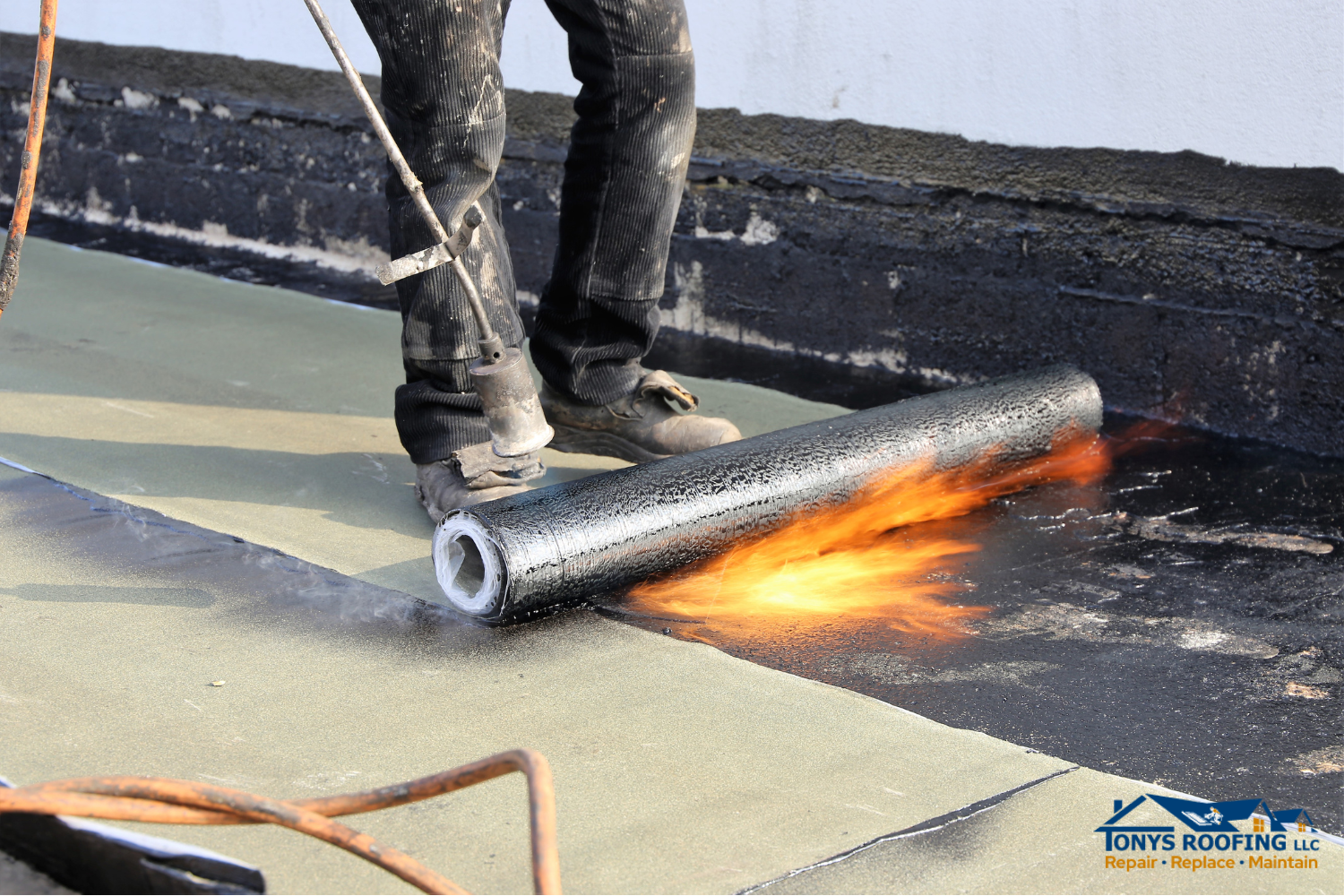
Single-ply membrane roofing systems, such as TPO (thermoplastic olefin) and EPDM (ethylene propylene diene monomer), are gaining popularity in commercial applications. These membranes offer durability, flexibility, and ease of installation. TPO membranes, in particular, are known for their energy efficiency and resistance to UV rays, chemicals, and punctures. As businesses prioritize cost-effectiveness and long-term performance, the demand for single-ply membrane roofing is expected to grow in 2023.

5. Roof Coatings and Restoration

Roof Coatings and Restoration

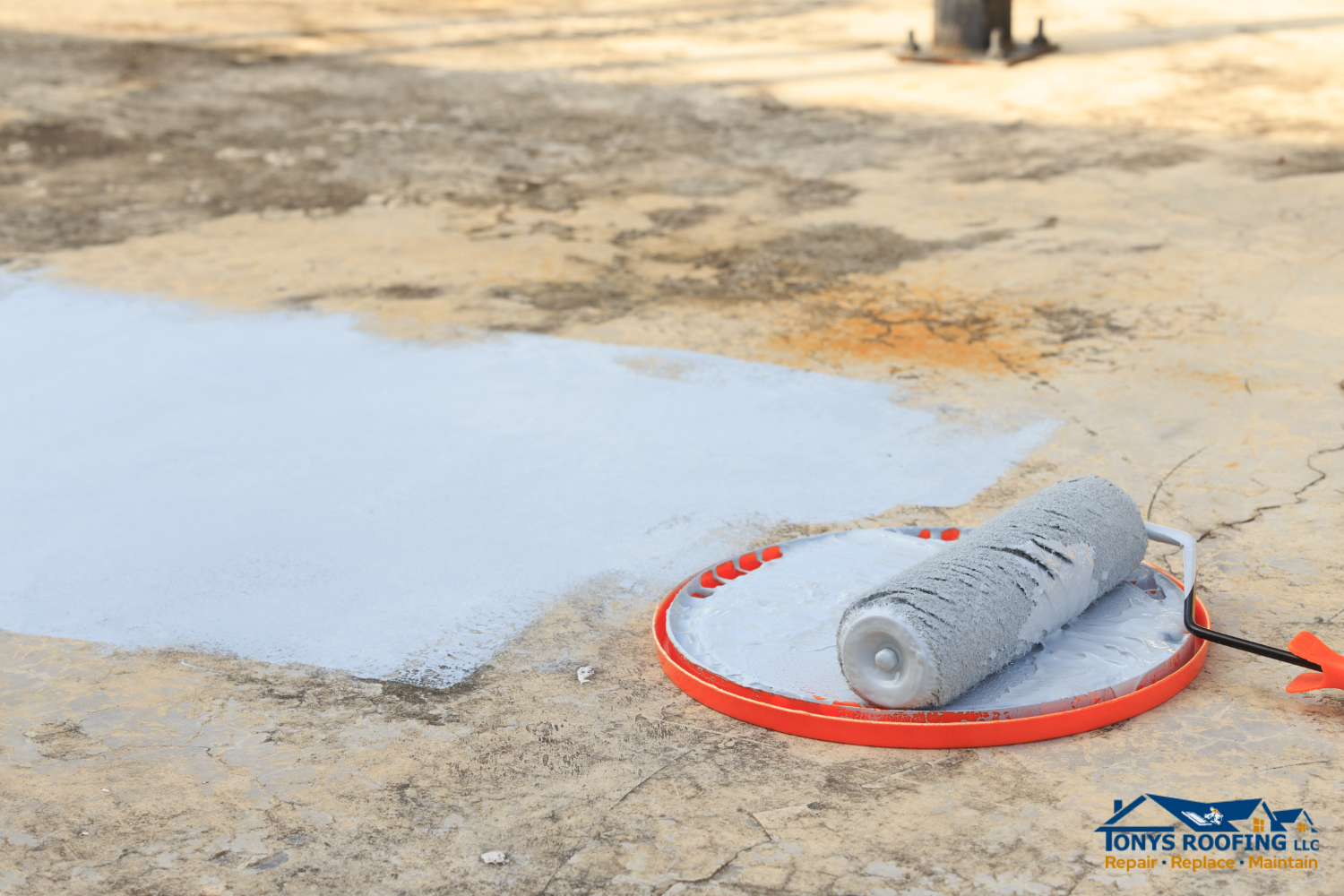
Roof coatings and restoration solutions are becoming an increasingly popular alternative to roof replacements. These coatings, which can be applied to various types of roofs, provide a protective barrier against UV rays, moisture, and other environmental elements. They can extend the lifespan of existing roofs, reduce maintenance needs, and enhance energy efficiency. Roof restoration systems not only save costs but also contribute to sustainable practices by minimizing waste and landfill burden.

6. Integrated Solar Roofing

As businesses embrace renewable energy, integrated solar roofing systems are gaining traction. These systems combine the functionality of a traditional roof with solar panels seamlessly integrated into the design. Integrated solar roofing provides an aesthetically pleasing solution, eliminates the need for additional mounting structures, and maximizes solar energy generation. With advancements in solar technology and decreasing costs, integrated solar roofing is expected to be a prominent trend in commercial buildings in 2023.

7. Enhanced Roofing Insulation

Enhanced Roofing Insulation

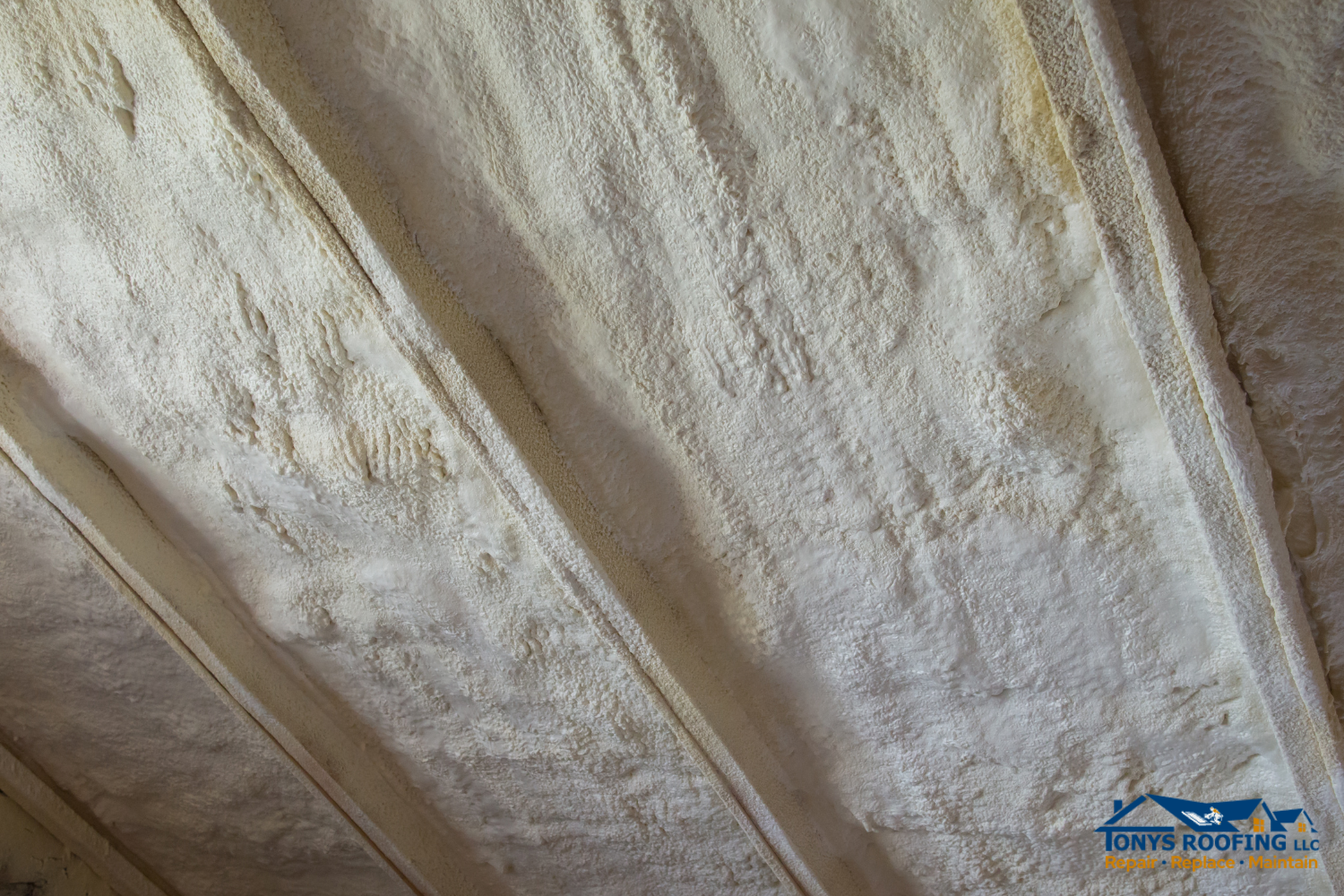
Roofing insulation plays a crucial role in energy efficiency and occupant comfort. In 2023, there will be an increased focus on enhanced insulation materials and techniques. High-performance insulation materials, such as spray foam and rigid insulation boards, are being utilized to minimize heat loss, reduce energy consumption, and improve overall building performance. Proper insulation helps maintain stable indoor temperatures, reducing the reliance on heating and cooling systems.

Conclusion

As the commercial roofing industry evolves, it is essential for businesses to stay informed about the latest trends and advancements. Sustainable roofing solutions, cool roofing systems, advanced technologies, single-ply membranes, roof coatings, integrated solar roofing, and enhanced insulation are the top trends shaping the commercial roofing landscape in 2023. By embracing these trends, businesses can achieve greater energy efficiency, reduce environmental impact, and ensure long-term cost savings while maintaining the integrity and performance of their commercial roofs.

The Benefits of Roof Maintenance and Regular Inspections

The Benefits of Roof Maintenance and Regular Inspections

Your roof is an integral part of your home or building, providing protection against the elements and maintaining the structural integrity of the entire structure. However, many homeowners and property owners often overlook the importance of regular roof maintenance and inspections. Neglecting roof maintenance can lead to costly repairs, compromised safety, and decreased energy efficiency. In this article, we will explore the numerous benefits of roof maintenance and regular inspections.

Extending Roof Lifespan

One of the primary benefits of regular roof maintenance is the extension of its lifespan. A well-maintained roof can last significantly longer than a neglected one. By identifying and addressing minor issues before they escalate into major problems, you can prevent premature roof failure and the need for a costly replacement. Routine inspections allow for early detection of leaks, damaged shingles, or deteriorating flashing, which can be promptly repaired, thus prolonging the life of your roof.

Cost Savings

While it may seem counterintuitive, investing in regular roof maintenance and inspections can save you money in the long run. By addressing small issues early on, you can prevent them from developing into more significant problems that require expensive repairs. For instance, a minor leak, if left unattended, can lead to water damage, mold growth, and even structural issues, resulting in substantial repair costs. By catching and repairing leaks promptly, you can avoid these costly consequences and keep your maintenance expenses manageable.

Enhanced Energy Efficiency

A well-maintained roof can contribute to improved energy efficiency within your home or building. Damaged or poorly insulated roofs can allow heat to escape during winter or enter during summer, leading to increased energy consumption and higher utility bills. Regular inspections can identify areas where insulation may be lacking or compromised, enabling you to rectify the situation promptly. Additionally, inspections can ensure that your roof is properly ventilated, allowing for the efficient flow of air and reducing the strain on your HVAC system.

Improved Safety and Security

A neglected roof poses a safety risk to the occupants of a building. Loose or missing shingles, weakened structures, or damaged flashing can make your roof susceptible to leaks, water damage, and even collapse. Regular inspections help identify potential hazards and enable timely repairs to maintain a safe and secure environment. By ensuring the structural integrity of your roof, you protect the people and possessions inside from potential harm caused by roof-related accidents.

Prevention of Water Damage and Mold Growth

Prevention of Water Damage and Mold Growth

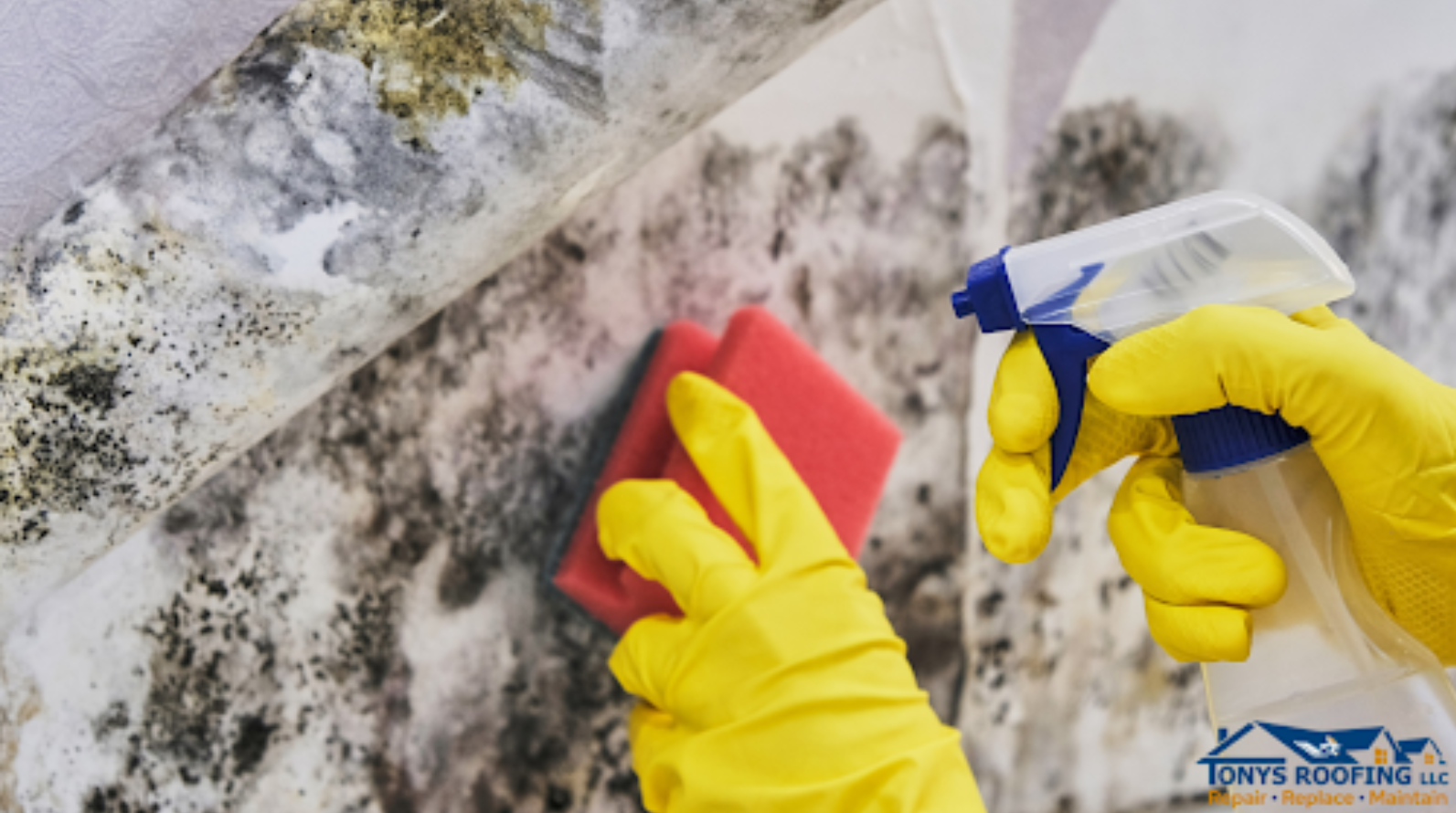
Water damage is a common consequence of roof leaks, and it can have severe implications for your property. Leaks, if left undetected, can infiltrate your home’s walls, ceilings, and insulation, leading to rot, mold growth, and compromised indoor air quality. Regular roof inspections can identify leaks in their early stages, allowing for prompt repairs and preventing water damage to other areas of your home. By addressing leaks and ensuring proper ventilation, you minimize the risk of mold growth and maintain a healthy living environment.

Insurance Compliance

Insurance policies typically require regular roof maintenance and inspections to ensure coverage in case of damage or accidents. Neglecting roof maintenance and inspections can potentially result in the denial of insurance claims. By keeping up with routine maintenance and inspections, you not only meet the requirements of your insurance policy but also demonstrate your commitment to the well-being and safety of your property, strengthening your case in the event of a claim.

Conclusion

Regular roof maintenance and inspections are essential for ensuring the longevity, safety, and functionality of your roof. By investing in routine maintenance, you can identify and address minor issues before they escalate into major problems, saving you money in the long run. Moreover, a well-maintained roof enhances energy efficiency, prevents water damage and mold growth, and contributes to overall safety and security.

CALL: 503-415-0438